Albendazole vs Ivermectin: Key Differences, Uses, and Which One Is Better
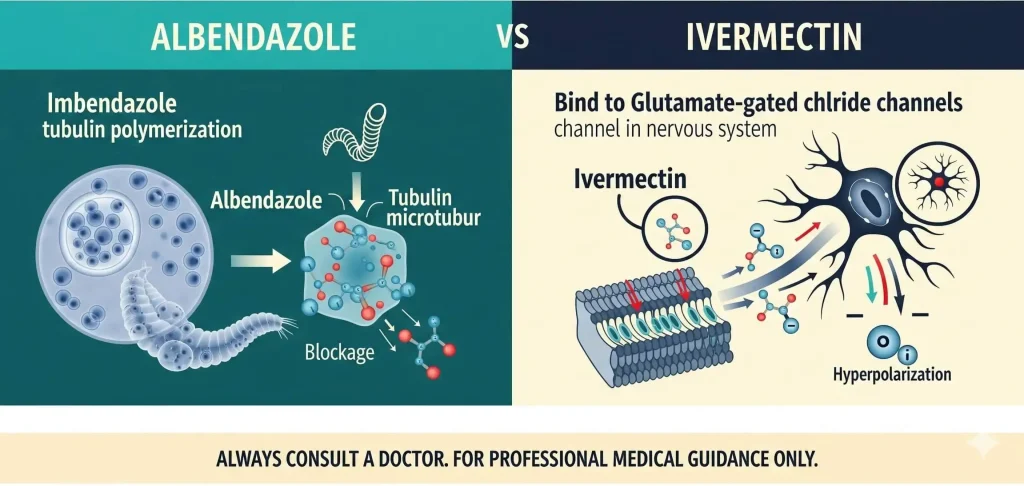
When it comes to treating parasitic infections, two commonly prescribed medications are albendazole and ivermectin. Many people search for a clear comparison of albendazole vs ivermectin to understand which one is more effective, safer, and suitable for their condition. In this blog, we will break down everything you need to know about albendazole vs ivermectin, including their uses, mechanisms, side effects, and key differences.
What Is Albendazole?
Albendazole is an antiparasitic medication widely used to treat infections caused by worms such as tapeworms, roundworms, and hookworms. It works by preventing the parasites from absorbing glucose, which eventually leads to their death.
Common Uses:
- Intestinal worm infections
- Neurocysticercosis (brain infection caused by tapeworm larvae)
- Hydatid disease
Albendazole is often prescribed as a short course, depending on the severity of the infection.
What Is Ivermectin?
Ivermectin is another antiparasitic drug that is effective against a variety of parasites, including certain worms, lice, and mites. It works by paralyzing and killing parasites through its effect on their nervous system.
Common Uses:
- Strongyloidiasis (intestinal infection)
- Onchocerciasis (river blindness)
- Scabies and lice
- Certain skin conditions caused by parasites
Understanding albendazole vs ivermectin is important because ivermectin is often used for external and systemic parasitic infections, unlike albendazole which mainly targets intestinal worms.
Albendazole vs Ivermectin: Mechanism of Action
A major point in the discussion of albendazole vs ivermectin is how these drugs work differently:
- Albendazole: Inhibits glucose uptake in parasites, leading to energy depletion
- Ivermectin: Affects nerve and muscle cells of parasites, causing paralysis
This distinction plays a big role in determining which drug is more effective for specific infections.
Albendazole vs Ivermectin: Effectiveness
When comparing albendazole vs ivermectin, effectiveness depends on the type of infection:
- Albendazole is highly effective against intestinal worms and larval infections
- Ivermectin is more effective for skin parasites and certain systemic infections
In some cases, doctors may even prescribe both medications together for better results.
Albendazole vs Ivermectin: Dosage and Administration
Another important factor in albendazole vs ivermectin is how they are taken:
- Albendazole: Usually taken once or twice daily with food
- Ivermectin: Often given as a single dose based on body weight
The dosing schedule varies depending on the condition being treated, so medical guidance is essential.
Albendazole vs Ivermectin: Side Effects
Like all medications, both drugs have potential side effects. Comparing albendazole vs ivermectin helps patients understand what to expect.
Albendazole Side Effects:
- Nausea
- Abdominal pain
- Headache
- Elevated liver enzymes
Ivermectin Side Effects:
- Dizziness
- Itching or rash
- Mild swelling
- Fatigue
In general, both drugs are considered safe when used as prescribed.
Albendazole vs Ivermectin: Safety and Precautions
Safety is a key concern when evaluating albendazole vs ivermectin:
- Albendazole should be used cautiously in patients with liver disease
- Ivermectin may not be suitable for very young children or certain neurological conditions
Pregnant women should consult a doctor before using either medication.
Albendazole vs Ivermectin: Which One Is Better?
The answer to albendazole vs ivermectin depends entirely on the condition being treated:
- Choose albendazole for intestinal worms and larval infections
- Choose ivermectin for skin infestations and specific parasitic diseases
There is no one-size-fits-all answer in the debate of albendazole vs ivermectin, as both drugs serve different purposes.
Can Albendazole and Ivermectin Be Used Together?
In some cases, doctors recommend combination therapy. When discussing albendazole vs ivermectin, it’s important to note that they are not always alternatives—they can be complementary.
This approach is sometimes used in:
- Severe parasitic infections
- Mixed infections
- Mass deworming programs
Final Thoughts
In summary, the comparison of albendazole vs ivermectin highlights that both medications are highly effective but serve different roles in treating parasitic infections. Albendazole is best suited for intestinal worms, while ivermectin excels in treating skin and certain systemic infections.
If you’re unsure which medication is right for you, always consult a healthcare professional. Self-medication can lead to incorrect treatment and potential side effects.
Understanding the differences between albendazole vs ivermectin ensures better treatment decisions and improved health outcomes.