Intestinal Worm Medicine: Effective Treatment Options and Advice
Understanding Intestinal Worms and Their Impact
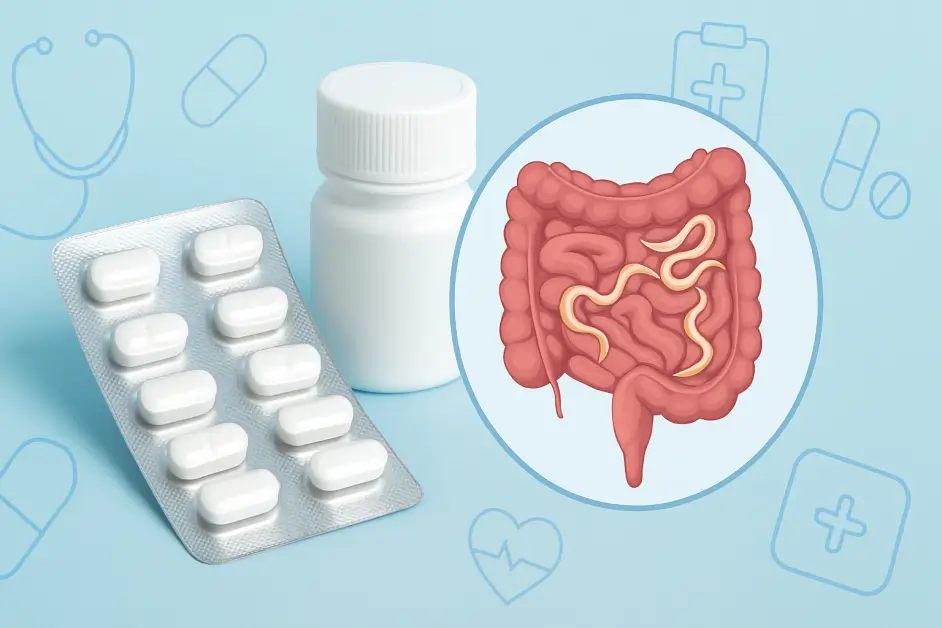
Intestinal worms are a common health concern affecting people across the United Kingdom and worldwide. These parasites can inhabit the intestines and cause a range of symptoms, sometimes leading to discomfort and more serious health issues if left untreated. Finding reliable intestinal worms medicine is crucial to managing and eliminating these infections safely.
In this article, we’ll explore what intestinal worms are, how they affect the body, and the treatments available. Whether you or a loved one are dealing with an infection or simply want to learn how to prevent one, understanding the options for intestinal worms medicine is the first step towards better gut health.
What Are Intestinal Worms?
Intestinal worms, also known as helminths, are parasitic organisms that live inside our digestive tract. The most common types include roundworms, tapeworms, hookworms, and pinworms. These parasites feed off the nutrients in the intestine, which can affect digestion and overall health.
While intestinal worms can infect anyone, children and those living in areas with inadequate sanitation are more vulnerable. Symptoms can vary widely, so awareness and early detection are key.
Common Symptoms of Worm Infections
- Abdominal pain and cramping
- Diarrhoea or constipation
- Fatigue and weakness
- Unexplained weight loss
- Itching around the anus, especially at night (common in pinworm infections)
- Nausea and vomiting
- Visible worms in stools
How Do People Get Intestinal Worms?
These parasites spread through contaminated food, water, soil, or by close contact with an infected person. For example, certain worms are transmitted by ingesting eggs present in contaminated produce or through contact with soil where infected animals have defecated.
Good hygiene, such as hand washing and proper food preparation, plays a major role in preventing infections. Still, accidental exposure can happen, which is why having access to effective intestinal worms medicine is vital.
Available Intestinal Worms Medicine: What You Should Know
If you suspect an intestinal worm infection, the first step is consulting a healthcare professional for diagnosis. They can recommend appropriate medication based on the type and severity of the infection.
The intestinal worms medicine typically works by either killing the parasites or paralyzing them so they are expelled naturally through bowel movements. Here’s a look at some commonly prescribed treatments:
- Albendazole: A broad-spectrum antiparasitic that treats a range of worm infections. It is usually taken as a single dose but may require multiple doses for some infections.
- Mebendazole: Often effective against roundworms, whipworms, and hookworms. Doctors usually prescribe a short course of treatment.
- Praziquantel: Primarily used for treating tapeworm infections, this medication helps eliminate the parasite effectively.
- Pyrantel pamoate: Available over-the-counter in some regions, it treats pinworms and roundworms by paralyzing the worms.
Important Considerations When Using Intestinal Worms Medicine
- Always follow the prescribed dosage and duration closely to ensure complete eradication.
- Inform your doctor about any existing health conditions or medications to avoid interactions.
- Repeated treatments may be necessary for certain types of worms or reinfections.
- Maintain hygiene and sanitation practices even after treatment to prevent recurrence.
Managing Symptoms and Supporting Recovery
While medication is essential, supporting your body during recovery helps speed up healing and improves overall well-being. Adequate hydration, balanced nutrition, and rest are important. In cases where symptoms are severe or persistent, medical follow-up is crucial.
Also, ensure household members are evaluated and treated if necessary, as intestinal worms can spread easily among close contacts.
Preventing Intestinal Worm Infections
Prevention is always better than cure. To reduce the risk of contracting worms, consider these practical tips:
- Wash hands thoroughly with soap and water, especially before eating and after using the bathroom.
- Cook food thoroughly to kill any parasite eggs or larvae.
- Peel or wash fruits and vegetables carefully to remove any contamination.
- Drink clean, treated water or boil water if the source is uncertain.
- Wear shoes outdoors to avoid contact with contaminated soil.
- Keep living environments clean and hygienic.
When to See a Doctor
If you notice persistent digestive symptoms, unexplained weight loss, or observe worms in your stool, it is important to seek professional advice promptly. Early diagnosis and appropriate intestinal worms medicine use can prevent complications and promote faster recovery.
Remember, self-treatment with unverified products can be risky. Always rely on reputable medications and follow medical guidance.
Final Thoughts
Intestinal worms are a prevalent issue, but with the right approach, they are treatable and preventable. Access to effective intestinal worms medicine combined with good hygiene practices helps protect your health and that of your family.
So, staying informed, practicing prevention, and consulting healthcare providers when necessary are your best tools in managing intestinal parasites. If you need treatment options in the UK, remember to speak with your pharmacist or doctor about the most suitable intestinal worms medicine for your situation.
Take care of your gut health—it’s central to your overall wellness!