

Understanding Mebendazole Overdose: Symptoms, Causes, and Treatment
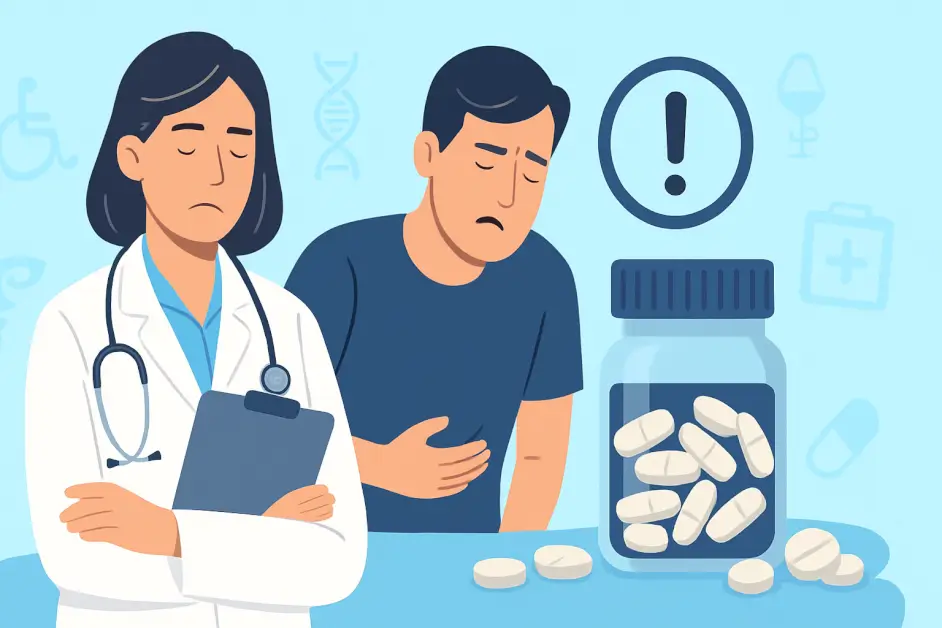
Introduction to Mebendazole and Overdose Risks
Mebendazole is a commonly prescribed medication in the United Kingdom and worldwide to treat parasitic worm infections. While it is generally safe when taken as directed, a mebendazole overdose can lead to serious health concerns. This article will explore the causes, symptoms, and management of mebendazole overdose to provide clear and essential information for patients and caregivers alike.
What is Mebendazole?
Mebendazole belongs to a group of medications called anthelmintics. It works by preventing worms from absorbing glucose, thereby depleting their energy stores and ultimately eliminating the infection. Commonly used to treat pinworms, roundworms, and whipworms, mebendazole is widely regarded as effective and safe at typical doses.
How Does an Overdose Occur?
A mebendazole overdose occurs when someone takes more than the recommended amount of the medication, either accidentally or intentionally. Dosing errors may happen in children, due to misunderstanding instructions, or in adults who misuse the drug. Since mebendazole is sometimes available over the counter or through prescriptions, it’s important to adhere strictly to dosing guidelines to avoid risks associated with overdose.
Common Causes
- Taking multiple doses within a short time frame
- Incorrect measurement of liquid forms
- Accidental ingestion by children
- Intentional overdose
Recognising the Signs of Mebendazole Overdose
Knowing the symptoms of a mebendazole overdose can be critical for prompt medical intervention. While mild overdoses may produce few side effects, larger amounts can lead to significant complications.
Typical Symptoms
- Abdominal pain and cramping
- Diarrhoea or loose stools
- Nausea and vomiting
- Dizziness or headache
- Fatigue or weakness
It’s worth noting that severe allergic reactions are rare but possible. Symptoms such as rash, itching, swelling, or difficulty breathing require urgent medical attention.
Diagnosis and Medical Evaluation
If a mebendazole overdose is suspected, it is crucial to seek medical advice immediately. Healthcare professionals will perform a full assessment that may include:
- Reviewing the patient’s medication history
- Physical examination focusing on gastrointestinal and neurological signs
- Blood tests to monitor organ function and detect abnormalities
- Observation for any allergic reactions or complications
Early diagnosis helps guide the best treatment approach and reduces the risk of long-term damage.
Treatment and Management of Mebendazole Overdose
Treatment of mebendazole overdose mainly depends on the severity of the symptoms and the amount ingested. There is no specific antidote, so care focuses on supportive and symptomatic management.
Steps in Treatment
- Activated charcoal administration: If the overdose is identified shortly after ingestion, activated charcoal may be given to absorb the medication and prevent further absorption.
- Gastrointestinal support: Intravenous fluids may be provided for dehydration from vomiting or diarrhoea.
- Symptom management: Medications can be used to control nausea or pain.
- Monitoring: Continuous observation in hospital may be necessary, especially if severe symptoms develop.
In most cases, patients recover fully with proper treatment, but delaying care can increase risks.
Preventing Mebendazole Overdose
Prevention is always better than cure. Here are some practical tips to avoid overdose:
- Always follow the prescribed dosage and schedule
- Keep medication out of reach of children
- Double-check doses when administering liquid forms using appropriate tools
- Consult a healthcare provider if unsure about the dosage or if multiple medications are being used
Educational efforts and clear communication from healthcare professionals can significantly reduce accidental overdoses.
When to Seek Medical Help
If you or someone else shows signs of a mebendazole overdose, do not wait. Call emergency services or go to the nearest accident and emergency department immediately. Early treatment can prevent complications and improve outcomes. Remember, even if symptoms seem mild initially, professional evaluation is essential.
Conclusion
While mebendazole remains a safe and effective medication for worm infections, a mebendazole overdose can pose significant health risks. Recognising the symptoms, understanding causes, and responding promptly with appropriate treatment are vital steps to ensure safety. Always use mebendazole carefully and consult healthcare providers with any concerns about its use. By staying informed and cautious, patients in the UK can benefit from this medication without unnecessary risks.
Should you suspect an overdose or experience unusual symptoms while taking mebendazole, seek professional help without delay. Safety is paramount, and medical experts are best equipped to provide guidance and treatment.


