Ivermectin vs Albendazole: Understanding the Differences and Uses
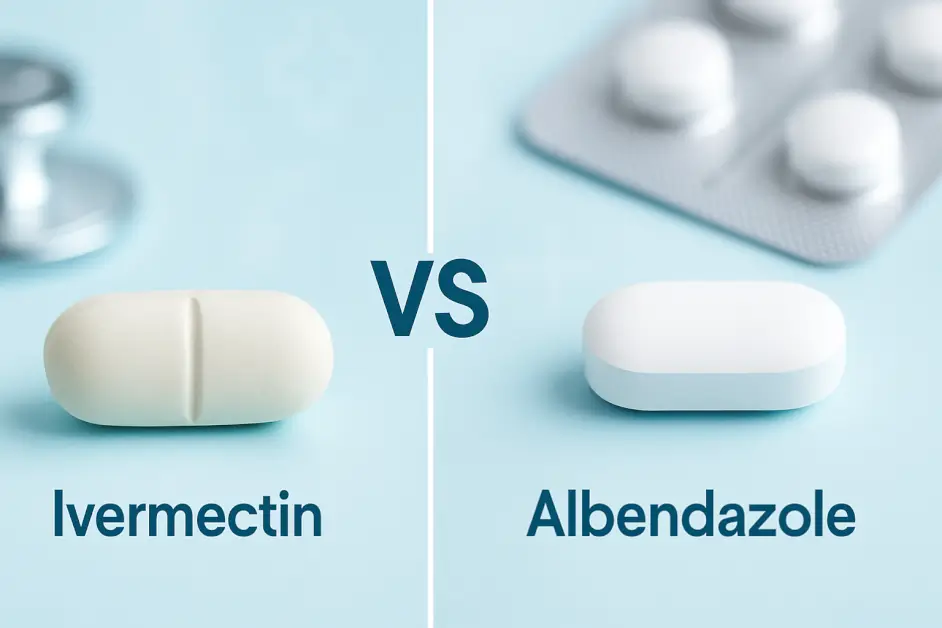
Ivermectin vs Albendazole: An Overview
When it comes to treating parasitic infections, two medications often come up in conversation: ivermectin and albendazole. Both are widely used in the United Kingdom and around the world but serve different purposes, mechanisms, and treatment plans. If you’re wondering about ivermectin vs albendazole, this comprehensive guide aims to clarify their differences, uses, and what you need to know for safe and effective treatment.
What is Ivermectin?
Ivermectin is an antiparasitic medication primarily prescribed to treat various parasitic worm infections and other parasites. It has gained recognition for its effectiveness against illnesses caused by roundworms, lice, and mites. In clinical settings, ivermectin is used to combat conditions such as onchocerciasis (river blindness), strongyloidiasis, and scabies.
The drug works by interfering with the nervous system of parasites, leading to paralysis and eventual death of these organisms. One of the reasons ivermectin is favoured in certain cases is its broad spectrum of activity and the relatively straightforward dosing regime.
Common Uses of Ivermectin
- Onchocerciasis (river blindness)
- Strongyloidiasis
- Scabies
- Lice infestations
What is Albendazole?
Albendazole is another antiparasitic medication but differs from ivermectin both in its scope and mode of action. It is widely prescribed in the UK for treating infections caused by intestinal worms such as tapeworms, pinworms, and hookworms. Albendazole belongs to the benzimidazole class of drugs and works by preventing the worms from absorbing sugar, effectively starving them to death.
Typically, albendazole is chosen when there is a need to target a wide variety of intestinal parasites or when treating tissue infections caused by larvae migrating inside the body, like hydatid disease.
Common Uses of Albendazole
- Tapeworm infections
- Pinworm infections
- Hookworm infections
- Cysticercosis and hydatid disease
Mechanism of Action: How They Work Differently
Understanding the differences between ivermectin vs albendazole starts with how they act against parasites. Ivermectin disrupts the nervous system of parasites by increasing the permeability of cell membranes to chloride ions, which leads to paralysis. In contrast, albendazole inhibits tubulin polymerization, preventing essential nutrient uptake and energy production within the parasite.
So, while both drugs are antiparasitic, their chemical targets and effects on parasites differ significantly. This distinction is key to selecting the right treatment for a specific type of parasitic infection.
Effectiveness and Spectrum of Activity
Both ivermectin and albendazole have earned a strong reputation, but their effectiveness depends on the infection type. Ivermectin is very effective against certain roundworms and ectoparasites like mites and lice but has limited activity against some types of tapeworms.
Conversely, albendazole boasts a wider range when it comes to intestinal worms, especially tapeworms and whipworms. Though less effective against some roundworm species that ivermectin targets, albendazole remains a first-line treatment for many worm infections.
Dosage and Administration Considerations
The dosing regimen varies greatly between these two drugs, often depending on the infection severity, patient age, and weight. Ivermectin is usually administered as a single dose or short course, which is convenient and promotes better compliance. Albendazole often requires a longer treatment period — sometimes multiple days — to ensure full eradication of the parasite.
It’s essential to follow medical advice carefully when taking either medication since incorrect dosing can reduce effectiveness or increase side effects.
Side Effects and Safety Profile
Neither ivermectin nor albendazole is without potential side effects. However, both are generally well tolerated when used appropriately. Common side effects for ivermectin include mild dizziness, nausea, and rash. Albendazole may cause stomach discomfort, headache, or temporary hair thinning in rare cases.
Still, serious adverse reactions are uncommon but can happen, especially if the medications are used improperly or in people with specific health issues. Therefore, it’s critical to consult healthcare professionals before starting any antiparasitic treatment.
Prescribing Guidelines in the United Kingdom
In the UK, both drugs require prescription and are typically dispensed under GP supervision or specialist advice. Medical guidelines emphasise the importance of accurate diagnosis before starting treatment, to match the drug to the parasite involved.
Local practices may vary depending on public health recommendations and the prevalence of particular parasitic infections. Awareness campaigns also promote education on prevention methods alongside treatment.
Ivermectin vs Albendazole: Which Should You Choose?
The choice between ivermectin vs albendazole isn’t about one being superior to the other but rather selecting the appropriate medicine based on the parasitic infection diagnosed. Your healthcare provider will consider the type of parasite, infection severity, patient health status, and potential drug interactions.
For example, if you are diagnosed with scabies, ivermectin might be the preferred treatment. However, if you have a confirmed tapeworm infection, albendazole is likely the go-to option. In some cases, both drugs may be used sequentially or in combination for complex infections.
Conclusion: Key Takeaways on Ivermectin vs Albendazole
Understanding the differences between ivermectin vs albendazole helps in better managing parasitic infections safely and effectively. Both medications offer valuable treatment options with distinct mechanisms and applications.
Always ensure proper medical assessment before treatment, follow prescribed dosing schedules, and be mindful of potential side effects. Keeping yourself informed is the best way to combat parasitic infections confidently and responsibly.
Remember, these medications are powerful tools in the fight against parasites but should be used judiciously under professional guidance — especially here in the UK where health standards prioritise patient safety.
Further Reading and Resources