Why It’s Important to Treat Household for Worms Together
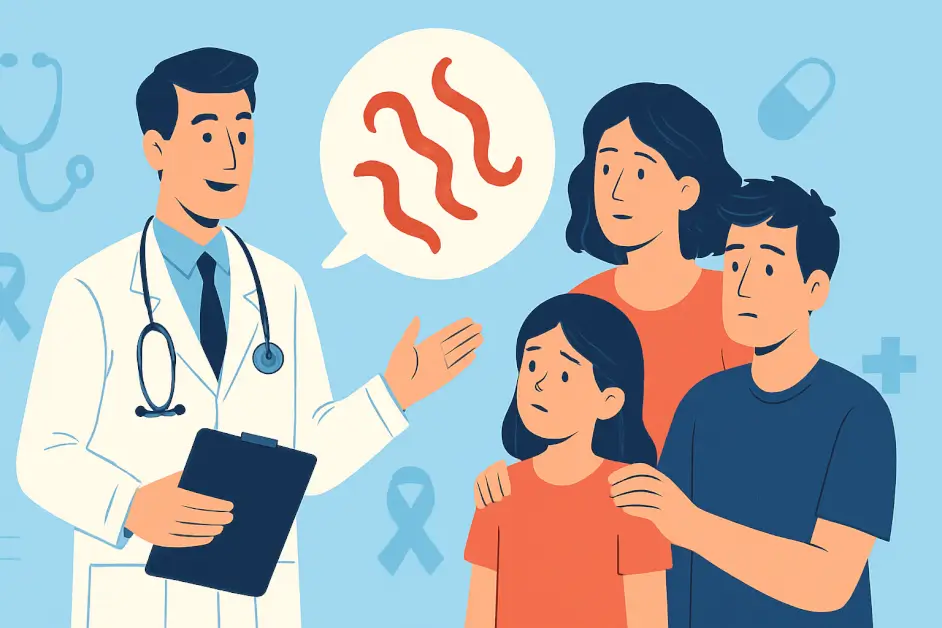
Understanding the Need to Treat Household for Worms
When one member of a household is diagnosed with a worm infection, it’s natural to focus treatment efforts solely on that individual. However, understanding why you should also treat household for worms is crucial to preventing the spread and recurrence of these infections. Worm infections, or helminth infections, are common, especially among children, and can easily be passed between people living in the same environment.
In this article, we will explore the reasons behind treating all household members together, the risks associated with neglecting others, and effective strategies to manage and prevent worm infections in family settings within the United Kingdom.
How Worm Infections Spread within a Household
The transmission of worms such as pinworms, roundworms, and tapeworms is largely influenced by close contact and shared living spaces. Worm eggs can be found on contaminated surfaces, bedding, clothing, and even toys. In such a confined environment, it’s easy for the infection to pass back and forth among family members.
For example, children often exhibit behaviours such as putting their hands in their mouths or not washing their hands thoroughly, which increases the likelihood of ingesting worm eggs. Adults may inadvertently carry eggs on their hands or clothing, causing repeated exposure for others.
Why Treating Only One Person Isn’t Enough
Often, treating just the affected individual might seem sufficient. Yet, if other household members remain untreated, they may continue to harbour the worms without showing symptoms. This asymptomatic carriage creates a reservoir that perpetuates re-infection, making eradication difficult.
Think of it like a cycle: one person receives medication and feels better, but because others are still infected, the worm can quickly jump back, causing the original patient to fall ill again. Therefore, to effectively stop this cycle, treating the entire household simultaneously is both logical and medically advised.
Medical Perspective on Treating Household for Worms
The National Health Service (NHS) in the UK often recommends considering treatment for close contacts of infected persons, especially in cases where reinfection rates are high. The goal is to eliminate all sources of infection in the home at once.
Additionally, medical professionals encourage good hygiene practices alongside medication. Treatment usually involves a single dose of anthelmintic drugs, which kill adult worms. However, a follow-up dose may be needed weeks later to target any newly hatched worms.
Consultation is Key
Before starting treatment for household members, it’s important to seek advice from a healthcare provider. They can recommend appropriate medications, dosages, and timing, tailored to individual needs and ages. This ensures safe and effective treatment, especially for vulnerable members like young children or pregnant women.
Practical Steps to Prevent Reinfection at Home
Besides medication, certain household practices greatly reduce the chances of worms spreading or returning:
- Regular hand washing: Encourage everyone to wash hands thoroughly with soap and water, particularly after using the toilet and before eating.
- Clean bedding and clothing: Wash bed linens, towels, and clothes regularly in hot water to kill any eggs.
- Maintain clean living areas: Vacuum and disinfect surfaces to remove eggs, especially in bedrooms and bathrooms.
- Trim fingernails: Short nails reduce the chance of collecting and transferring eggs.
- Avoid nail-biting and finger sucking: These habits increase the risk of ingesting worm eggs.
Implementing these steps in tandem with treating household members for worms helps break the infection cycle.
Recognising Symptoms and the Importance of Early Treatment
Worm infections can cause a range of symptoms, but sometimes they may be mild or not evident at all. Common signs include itching around the anus, restlessness, stomach pain, nausea, and weight loss.
If one person exhibits these symptoms, it’s wise to consider that others might be infected too, even if asymptomatic. Early detection and treatment reduce discomfort and prevent complications, especially in young children who may suffer nutritional deficiencies or developmental delays if infections go untreated.
The Role of Schools and Public Health in Preventing Worm Spread
In the UK, schools and nurseries often provide guidance on managing infections commonly spread among children, including worms. Awareness and prompt communication with parents can encourage early treatment of all household members.
Public health authorities also stress the importance of community education on prevention, hygiene, and environmental cleanliness. Taking collective action within households complements these efforts well.
Summary: Treating the Household for Worms is a Smart Move
Tackling worm infections effectively means thinking beyond the individual. Because these infections spread so easily within close living quarters, treating the entire household is a sensible and medically supported approach. This not only stops reinfection cycles but also protects the health and wellbeing of everyone in your home.
If you have concerns about worms or suspect an infection in your family, don’t hesitate to consult your GP or local healthcare provider. Together, you can develop a treatment plan that covers all household members and incorporates hygiene practices to keep your home worm-free.
Remember, by choosing to treat household for worms collectively, you are taking an important step in safeguarding your family’s health while contributing to wider public health efforts.