

Nail Hygiene During Worm Treatment: Essential Care Tips
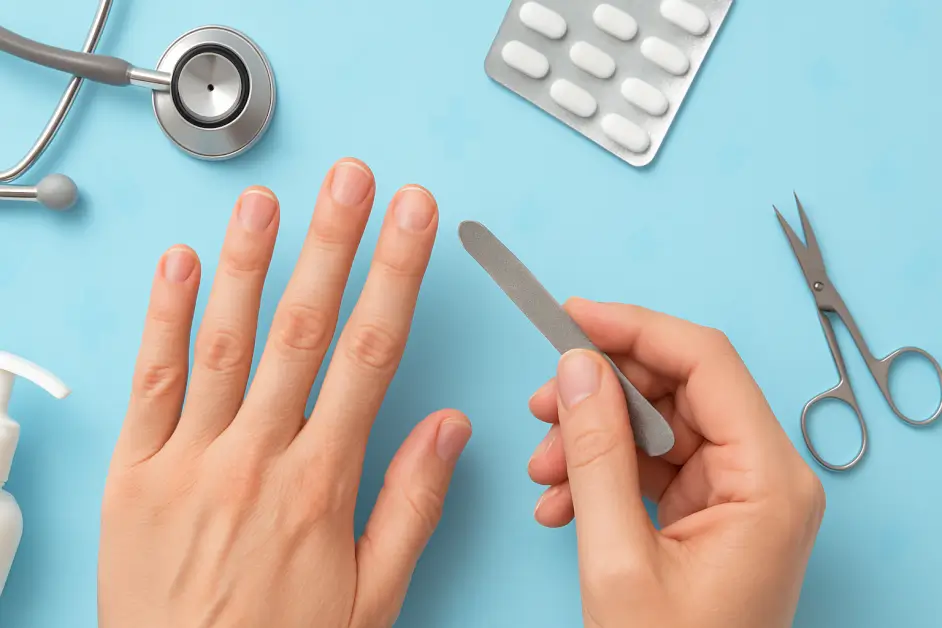
Introduction to Nail Hygiene During Worm Treatment
Taking care of your nails is often overlooked during medical treatments, but when it comes to worm infections, nail hygiene worms play a critical role in both preventing reinfection and promoting overall health. Worm infections can be uncomfortable and persistent, so maintaining proper nail hygiene during and after treatment is essential. In this article, we’ll explore why nail care matters, practical steps to keep your nails clean, and how this simple routine aids your recovery in the United Kingdom and beyond.
Understanding Worm Infections and Nail Hygiene
Worm infections, particularly those caused by pinworms or roundworms, spread easily through contaminated surfaces and poor hygiene. The eggs of these parasites often lodge under fingernails, turning your hands into potential vectors of reinfection. That’s why nail hygiene worms is more than just a side note—it’s a key preventative measure.
When treating worms, your medication works to eliminate the internal parasites, but the risk of transferring eggs through nails remains unless you take extra care. Keeping nails tidy and clean reduces the chance that eggs remain trapped, ready to cause reinfection or spread to others.
Why Nail Hygiene is Critical During Treatment
- Prevents reinfection: Eggs lodged under nails can re-enter the body if you touch your mouth or food.
- Protects others: Worm eggs can be passed to family members or close contacts.
- Improves treatment effectiveness: Clean nails complement medication by addressing external sources of infection.
- Reduces symptom severity: Less exposure to worm eggs can decrease itchiness and skin irritation around nails.
Effective Nail Hygiene Practices During Worm Treatment
It might sound straightforward, but effective nail hygiene worms routines require consistent effort. Here are some best practices to help you maintain nail cleanliness:
1. Keep Nails Short and Tidy
Long nails provide a perfect hideout for worm eggs. Trim your nails regularly, ideally cutting them short enough to prevent dirt and eggs from accumulating. Use clean nail clippers and avoid biting or scratching your nails to prevent skin damage and reduce infection risks.
2. Wash Hands Thoroughly and Frequently
Handwashing is a well-known but often underestimated defence. Wash your hands with warm water and soap for at least 20 seconds, especially after using the toilet, before meals, and after nail care. Pay extra attention to scrubbing under the nails where eggs love to hide.
3. Use a Nail Brush
A soft nail brush can help remove stubborn dirt and microscopic particles under nails. Use it gently during handwashing to enhance cleanliness without damaging the delicate skin around your nails.
4. Avoid Nail Polish and Artificial Nails
While during worm treatment, it’s best to avoid nail polish or artificial nails as they can trap eggs and bacteria. Let your natural nails breathe and remain easy to clean.
5. Keep Bedroom and Personal Items Clean
Bedding, towels, and nightwear can harbour worm eggs. Regularly wash these in hot water and maintain a clean personal environment. Don’t share towels or nail tools until treatment is complete.
Additional Tips to Support Nail Hygiene During Worm Treatment
Besides direct nail care, consider these habits to boost your overall hygiene and reduce the risk of persistent infections.
Maintain Short and Clean Hair
Worm eggs sometimes spread to hair, especially around the scalp. Keep hair clean and avoid sharing combs or hats to reduce contamination.
Clean Under Fingernails Before Bed
Before going to sleep, take a moment to check and clean under your fingernails. This routine helps prevent eggs from spreading during night scratching, which is common with worm-related itchiness.
Teach Children Proper Nail Hygiene
If children are involved, teaching them nail hygiene worms habits early can curb widespread infection within the household. Use age-appropriate language and fun activities to encourage frequent handwashing and nail care.
Common Myths About Nail Hygiene and Worm Infection
Confusion around nail hygiene worms and worm infections is common. Let’s clear up some misconceptions:
- Myth: You only need to clean your nails after treatment.
Fact: Nail hygiene should be maintained continuously during and even after treatment to avoid reinfection. - Myth: Nail polish protects against worm eggs.
Fact: Nail polish can trap eggs and debris, making it harder to clean nails effectively. - Myth: Gloves are necessary all the time.
Fact: Gloves can help in some situations but don’t replace good handwashing and nail cleaning practices.
When to Consult a Healthcare Professional
If you suspect you or a family member has a worm infection, and symptoms persist despite treatment and good nail hygiene, consult your healthcare provider. They can offer advice on effective antiparasitic medications and check for any complications. Also, seek advice if you notice nail infections, such as redness, swelling, or pus, which can occur if mites or worms damage the skin around nails.
Summary
Nail hygiene worms is a vital, often underestimated aspect of treating worm infections. By keeping nails short, clean, and well-maintained, you reduce the risk of reinfection and safeguard your family’s health. Handwashing, using nail brushes, avoiding nail polish, and maintaining a clean environment all contribute to a more successful and comfortable recovery. Remember, simple daily habits can make a significant difference when battling worm infections in the United Kingdom or anywhere else.
Stay diligent, be patient, and don’t hesitate to speak with your GP if questions arise. Together with medication, good nail hygiene habits support your journey to full wellbeing.


