Mebendazole Packaging Guide: Ensuring Safety and Efficacy
Introduction to Mebendazole Packaging
Mebendazole packaging plays a critical role not only in protecting the medication but also in ensuring its efficacy and safety for patients. This antiparasitic drug, commonly used to treat worm infections, requires careful handling from production to administration. In the United Kingdom, where pharmaceutical regulations are stringent, choosing the right packaging solution is essential to maintain the drug’s quality throughout its shelf life.
Why Packaging Matters for Mebendazole
When it comes to medications like mebendazole, packaging isn’t just about convenience — it directly impacts the medication’s stability, dosing accuracy, and overall patient compliance. Poor packaging can lead to moisture ingress, degradation of the active ingredients, and contamination.
Moreover, well-designed mebendazole packaging helps healthcare professionals and patients identify the medication easily, reducing the risk of medication errors.
Protecting Drug Integrity
One of the primary purposes of mebendazole packaging is to shield the tablets or chewable forms from environmental factors. Exposure to humidity, light, and air can accelerate the decomposition of the drug, reducing its effectiveness. Using moisture-resistant materials such as aluminum blister packs or high-quality plastic containers with desiccants can help maintain the drug’s potency.
Compliance and Dosage Accuracy
Packaging that simplifies dosing ensures patients take the correct amount of mebendazole. Unit-dose blister packs, which separate each tablet individually, are preferred because they prevent accidental double dosing or skipping pills. Also, clear labeling with proper dosage instructions supports compliance and helps caregivers administer medication correctly.
Types of Mebendazole Packaging Solutions
Several packaging options are commonly employed for mebendazole, each with distinct advantages. Let’s explore the most popular types used within the UK pharmaceutical industry.
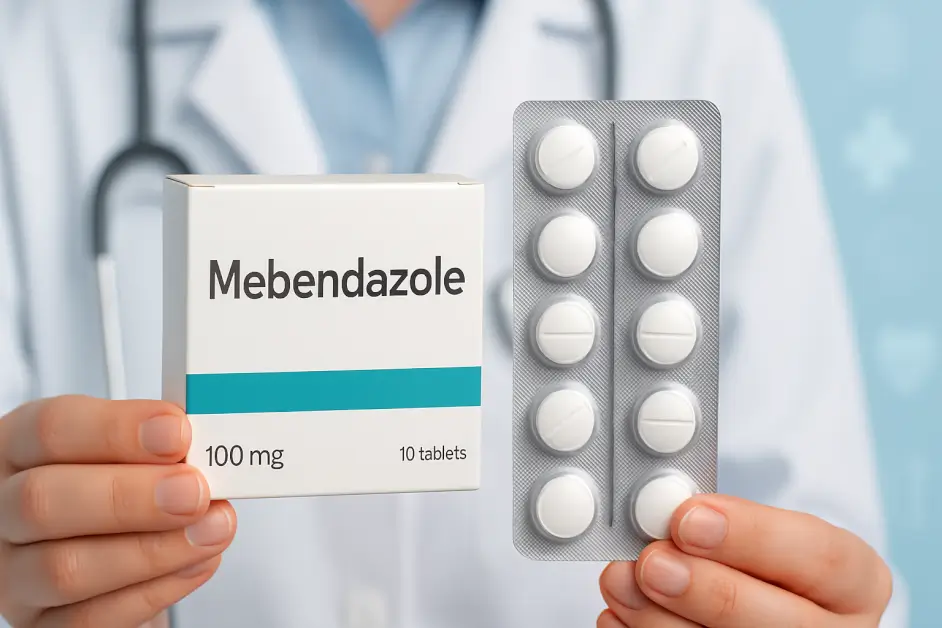
- Blister Packs: These are the most frequently used form of packaging for mebendazole tablets. Blister packs are easy to carry, protect tablets from external elements, and enhance medication adherence by showing remaining doses at a glance.
- Bottles with Child-Resistant Caps: For bulk packaging or liquid forms, bottles sealed with child-resistant caps are standard. These provide safety, especially in households with children, and offer convenient storage.
- Strip Packs: Similar to blister packs but typically using foil and plastic films, these are cost-effective and provide adequate protection, commonly used for lower-cost generic versions.
Material Considerations
Packaging materials for mebendazole must comply with UK pharmaceutical standards. Commonly used materials include:
- Aluminum Foil: Excellent barrier to moisture and oxygen, ideal for blister packs.
- Polyvinyl Chloride (PVC): Used for blister backing; flexible and cost-effective.
- High-Density Polyethylene (HDPE): Often used in bottles; robust and chemical resistant.
Regulatory Requirements in the United Kingdom
When dealing with mebendazole packaging in the UK, regulatory compliance is non-negotiable. The Medicines and Healthcare Products Regulatory Agency (MHRA) oversees the standards ensuring that all packaging maintains drug safety and quality.
This includes clear labeling requirements, tamper-evident features, and traceability. All packaging must include information such as batch number, expiry date, storage conditions, and manufacturer details. These help maintain transparency and provide vital information for pharmacists and patients alike.
Labeling for Patient Safety
Labels must be legible and provide concise information on usage instructions, warnings, and contraindications. This assists in minimizing misuse and promotes safer administration of mebendazole. Additionally, including pictograms can be helpful for patients with literacy challenges.
Sustainability Aspects and Future Trends
With increasing environmental awareness, sustainable packaging solutions for pharmaceuticals have gained attention. In the context of mebendazole packaging, manufacturers are exploring eco-friendly materials that reduce plastic waste and improve recyclability without compromising the drug’s protection.
Still, balancing sustainability with the strict requirements of drug preservation remains challenging, but technological advances offer promising alternatives, such as biodegradable blister packs and reduced-material packaging designs.
Best Practices for Handling and Storage
Beyond packaging itself, proper storage conditions contribute significantly to the effectiveness of mebendazole. Regardless of packaging type, the medication should be stored in a cool, dry place, away from direct sunlight. Patients and healthcare providers should be informed about these requirements through clear instructions.
Transport Considerations
Transportation is another critical stage. Packaging must withstand handling during distribution to pharmacies and hospitals. Shock-absorbing features or secondary packaging may be necessary to prevent physical damage.
Conclusion
Mebendazole packaging is a vital component in the overall lifecycle of this essential medication. Effective packaging safeguards the drug’s potency, ensures patient compliance, and meets the strict regulatory standards in the United Kingdom.
Choosing the appropriate packaging materials and design, alongside clear labeling and compliance with MHRA guidelines, all contribute to delivering safe and effective treatment options for parasitic infections.
In a nutshell, sound mebendazole packaging strategies not only support pharmaceutical manufacturers but also empower healthcare providers and patients by ensuring quality and reliability every step of the way.
If you’re involved in pharmaceutical manufacturing or distribution, paying close attention to these packaging elements will help you maintain high standards and meet the expectations of the UK market efficiently.