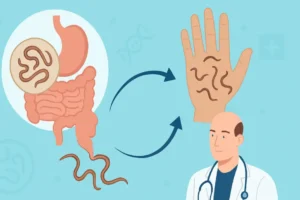
Worm Infection Symptoms You Shouldn’t Ignore
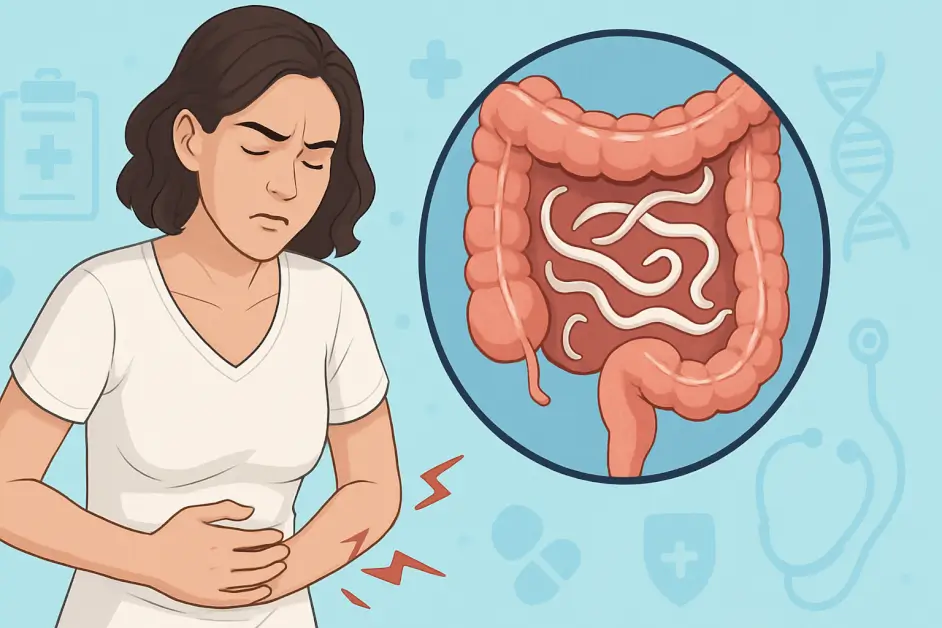
Understanding Worm Infection Symptoms: What You Need to Know
Worm infections, though often overlooked, can impact health significantly if not recognised early. Identifying worm infection symptoms promptly can make a difference in treatment and recovery. But which signs should raise concerns? This article covers common symptoms, how these infections occur, and when to seek medical advice.
What Are Worm Infections?
Worm infections are caused by parasitic worms living inside the body. These parasites include roundworms, tapeworms, hookworms, and others. They can invade the digestive system, blood, or other tissues. Though more common in some parts of the world, they can affect people in the United Kingdom as well.
Common Worm Infection Symptoms
Recognising the symptoms early helps prevent complications. Here are some signs to watch out for:
- Abdominal Discomfort: Persistent stomach pain or cramping is frequently reported. The discomfort might be mild or severe depending on the parasite load.
- Changes in Appetite: Increased or decreased appetite could signal an infection. Worms often consume nutrients needed by the body.
- Weight Loss: Unexplained weight loss can occur despite normal eating as worms absorb nutrients.
- Diarrhoea or Constipation: Digestive disturbances, such as unusual changes in bowel movements, are common symptoms.
- Fatigue: Feeling unusually tired or weak may result from nutrient deficiencies caused by the worms.
- Itching Around the Anus: Infections like pinworms often cause intense itching at night.
- Visible Worms in Stool: Sometimes adult worms or segments may be noticed in the faeces, providing a clear sign of infection.
Less Common But Important Symptoms
Some symptoms may be subtle or unusual, including:
- Fever: Low-grade fever may accompany certain types of worm infections.
- Coughing: Respiratory symptoms can arise if larvae migrate through the lungs.
- Skin Rashes: Allergic reactions to the parasite may cause skin changes.
- Swollen Abdomen: In children, heavy infections sometimes lead to noticeable abdominal swelling.
How Are Worm Infections Transmitted?
Understanding transmission routes helps reduce risk. Worm infections commonly spread through:
- Ingesting contaminated food or water.
- Contact with infected soil, especially walking barefoot in contaminated areas.
- Person-to-person contact, particularly when hygiene is inadequate.
In the UK, good sanitation reduces risks but infections can still happen, especially when travelling abroad.
When to See a Doctor
If you notice persistent symptoms like ongoing stomach pain, unexplained weight loss, or itchy discomfort around the anus, consulting a healthcare professional is advisable. Early diagnosis and treatment prevent complications and ease symptoms.
Diagnosis and Treatment
Diagnosis typically involves stool sample analysis, blood tests, or imaging to detect worms or their eggs. Treatment depends on the type of parasite but usually includes prescription antiparasitic medications. Over-the-counter remedies are generally not recommended without medical advice.
Preventing Worm Infections
Prevention is key. Simple measures include:
- Washing hands thoroughly before eating and after using the toilet.
- Properly cooking food and drinking safe water.
- Wearing shoes outdoors to avoid soil contact.
- Maintaining good sanitation and hygiene practices.
Conclusion
Recognising worm infection symptoms early can significantly impact treatment success and wellbeing. While symptoms vary and can sometimes be subtle, paying attention to persistent digestive issues, fatigue, or itching can guide timely medical consultation. If you’re concerned about any symptoms, don’t hesitate to seek help—catching worm infections early is the best way to stay healthy and comfortable.