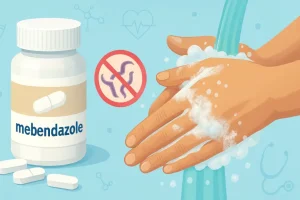
Effective Bathroom Cleaning After Deworming: A Guide to Bathroom Cleaning Worms
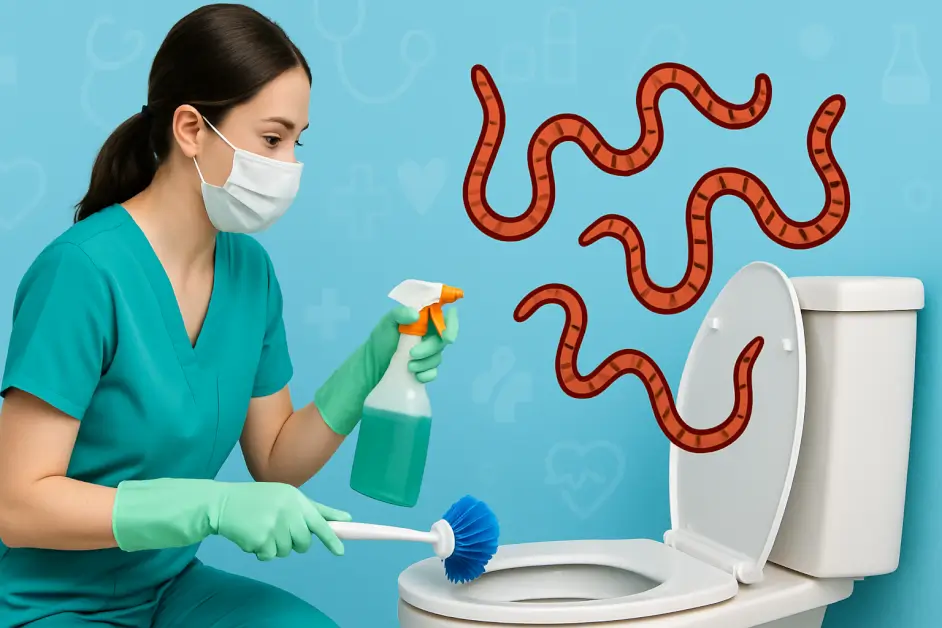
Understanding the Importance of Bathroom Cleaning After Deworming
After undergoing deworming treatment, it’s crucial to pay close attention to hygiene, particularly bathroom cleaning worms presence. Bathrooms can harbour worm eggs or larvae if not cleaned properly, leading to reinfection or spreading within your home. This article guides you through effective bathroom cleaning practices to ensure a safe and healthy environment.
Why Focus on Bathroom Cleaning Worms?
Worm infections often spread through contact with contaminated surfaces or improper hygiene. Bathrooms, being moist and frequently used spaces, can become hotspots for worm eggs or larvae, particularly pinworms and roundworms. Ensuring thorough bathroom cleaning after deworming helps break the parasite’s lifecycle, preventing recurrence and protecting your family.
Common Worm Types and Their Survival in Bathrooms
Understanding the kind of worms that might linger in your bathroom is key. Some common types include:
- Pinworms (Enterobius vermicularis): Often found in residential bathrooms, their eggs can survive on surfaces for up to two weeks.
- Roundworms (Ascaris lumbricoides): Eggs can be found in contaminated environments and persist long enough to cause reinfections.
- Hookworms: Less common in bathrooms but still possible in moist environments.
Effective cleaning routines can significantly reduce the presence of these parasites.
Step-by-Step Guide to Bathroom Cleaning After Deworming
Proper cleaning involves more than a quick wipe-down; it requires attention to detail and the right materials. Let’s look at the steps you should take.
1. Gather Cleaning Supplies
Before you start, ensure you have:
- Disinfectant that kills parasites and their eggs (check labels for efficacy)
- Bleach solution (diluted appropriately)
- Gloves and a face mask
- Scrubbing brushes and cloths
- Hot water supply
2. Ventilate the Bathroom
Open windows or use an extractor fan to ventilate the area. Air circulation helps reduce moisture and disperses chemical fumes from cleaning agents.
3. Clean All Surfaces Thoroughly
Focus on high-touch and damp areas such as:
- Toilet seats and handles
- Sink taps and basins
- Bathroom floors and walls near water sources
- Shower curtains and bath panels
Use hot water and disinfectants. Avoid using the same cloth for different surfaces to prevent cross-contamination.
4. Disinfect Toilet and Plumbing Fixtures
The toilet is a primary area for worm egg contamination. Scrub the toilet bowl with a bleach-based cleaner, including under the rim. Disinfect flush handles, toilet seats, and surrounding areas thoroughly.
5. Launder Bathroom Textiles
Worm eggs can cling to towels, bath mats, and shower curtains. Wash these items in hot water (at least 60°C) with a strong detergent. Dry them completely before reuse.
6. Dispose of Waste Properly
Empty bathroom bins frequently and use sealed bags for disposal. This step limits the chance of eggs spreading back into the environment.
7. Maintain Regular Cleaning
After the initial deep clean, keep up with daily or weekly bathroom cleaning routines, especially during and after deworming treatments, to avoid reinfestation.
Additional Hygiene Tips During Deworming
- Encourage all family members to wash hands thoroughly with soap and warm water after using the bathroom, before meals, and after changing nappies.
- Keep fingernails short and clean to minimise egg accumulation under nails.
- Clean and disinfect children’s toys and commonly used household surfaces regularly.
- Use disposable wipes or dedicated cloths for different bathroom areas to avoid spread.
Understanding the Lifecycle of Worms for Effective Prevention
Worm infections often occur because the eggs laid on the skin or environment hatch and reinfect the host or others around them. By disrupting this lifecycle through bathroom cleaning worms strategies, you lower the risk of ongoing infection.
For example, pinworm eggs can survive on surfaces for days. A swift, thorough clean removes the eggs before they can hatch. This lifecycle awareness helps target your cleaning efforts efficiently.
Common Mistakes to Avoid When Cleaning
It’s easy to make errors that reduce the effectiveness of your bathroom cleaning efforts. Avoid:
- Using only water or mild soap — these may clean dirt, but not disinfect or kill worm eggs.
- Cleaning with damp cloths that have been used repeatedly without washing.
- Ignoring less visible spots like door handles, light switches, or toilet flush buttons.
- Failing to launder textiles regularly.
Professional Support and When to Seek Help
If worm infections persist despite proper cleaning, consider consulting a healthcare provider for advice and additional treatment options. Sometimes, environmental factors or other household members can maintain the cycle unnoticed.
Professional cleaning services can also offer a deep sanitation of your home if required, especially in severe cases.
Summary
Bathroom cleaning worms is an essential part of a successful deworming protocol. With the right cleaning practices, attention to detail, and understanding of worm lifecycles, you can reduce the risk of reinfection in your home.
So, take the time to clean thoroughly, clean regularly, and encourage good hygiene habits in every family member. This effort pays off with a healthier living space and peace of mind after deworming.
Remember, clean bathrooms are a frontline defence against worm infections and help keep your family safe.