Counterfeit Mebendazole: Recognising Fake Mebendazole and Staying Safe
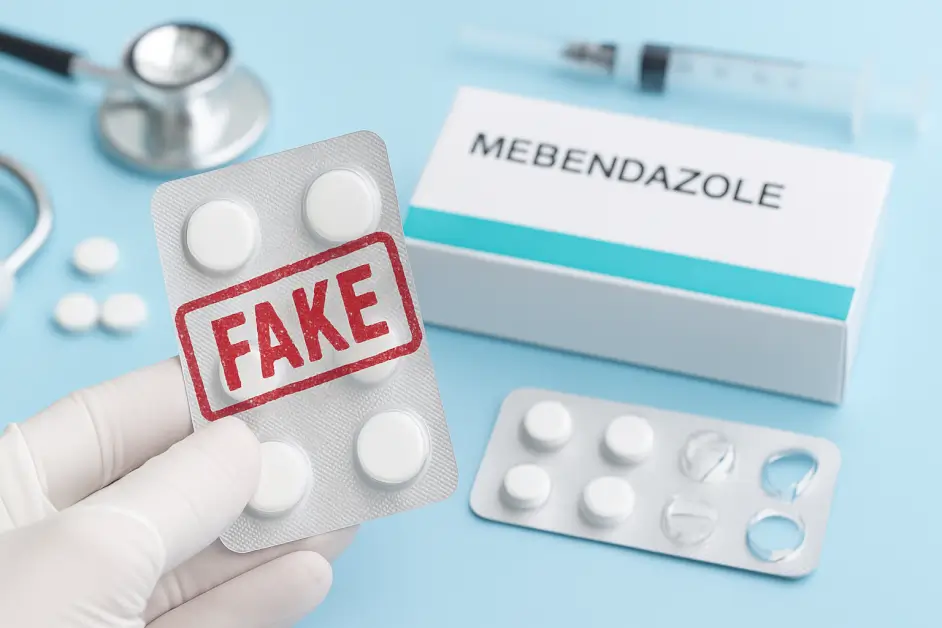
Understanding Counterfeit Mebendazole
Mebendazole is a widely used antiparasitic medication, effective in treating worm infections. Given its importance, the rise of fake mebendazole products in the market is a serious concern, particularly for patients and healthcare providers in the United Kingdom. Counterfeit medications can not only fail to treat infections but also pose significant health risks. In this article, we will explore the warning signs of counterfeit mebendazole, helping you stay informed and safe.
Why Is Fake Mebendazole a Problem?
The distribution of counterfeit mebendazole negatively affects both individuals and public health. When patients unknowingly take fake drugs, the expected treatment doesn’t occur, allowing infections to persist or worsen. Fake medicines may contain incorrect doses or harmful substances, increasing the chance of adverse effects. This undermines trust in healthcare systems and complicates the control of parasitic diseases.
Common Features of Counterfeit Mebendazole
Recognising fake mebendazole can be tricky because counterfeiters often try to imitate authentic packaging closely. Yet, certain signs can help you spot suspicious products.
Packaging Irregularities
- Poor Print Quality: Packaging with blurry text, faded colours, or inconsistent fonts should raise alarm bells.
- Spelling Mistakes: Manufacturers of genuine medicines maintain strict quality control; hence, typos or grammatical errors are uncommon.
- Mismatched Logos and Holograms: If logos look off or holograms are missing or poorly applied, it may be fake.
- Incorrect Expiry or Batch Numbers: Authentic products display clear expiry dates and batch codes which can often be verified online.
Physical Appearance of Tablets or Capsules
The medication itself may differ in colour, shape, size, or markings from legitimate mebendazole tablets. However, since some counterfeit products look strikingly similar, relying only on appearance is insufficient.
Where Does Fake Mebendazole Commonly Appear?
Fake mebendazole tends to be more prevalent through unauthorized sellers or online platforms without verified credentials. Buying from unlicensed sources increases the risk of encountering counterfeit drugs. Pharmacies regulated by the UK’s Medicines and Healthcare products Regulatory Agency (MHRA) provide safer options. Always check for pharmacy accreditation before purchase.
Potential Health Risks of Using Fake Mebendazole
Taking counterfeit mebendazole can lead to treatment failure, prolonged infections, and the development of drug resistance. Worse yet, some fake products contain harmful ingredients that may trigger allergic reactions or toxicity. These outcomes can complicate your health and lead to additional medical expenses or prolonged suffering.
Essential Steps to Avoid Counterfeit Mebendazole
- Purchase From Reputable Sources: Always buy from licensed pharmacies or trusted healthcare providers.
- Inspect Packaging Carefully: Look for unusual print quality, spelling mistakes, and verify batch numbers.
- Consult Your Pharmacist or Doctor: If unsure about the authenticity of your medication, ask a healthcare professional.
- Report Suspicious Products: The MHRA encourages reporting any suspected fake medicines to their official channels.
How to Verify Your Mebendazole
UK patients can use resources such as the MHRA’s online medicine verification tools or contact their pharmacist directly. Many pharmaceutical companies also have customer service lines for product verification. These steps provide peace of mind and enhance safety.
Understanding the Packaging and Label Details
Genuine mebendazole packaging is tightly regulated. It contains important information such as the active ingredient amount, manufacturer details, and usage instructions. If your packaging lacks any of these or seems unfamiliar, it is wise to question its authenticity. Pay attention to holograms and seals, as these help prevent tampering.
Common Packaging Mistakes in Fake Products
- Wrong font style or colour shades
- Design elements inconsistent with brand standards
- Missing or blurred safety seals
- Incorrect or absent barcode and QR codes
Final Thoughts on Staying Safe
Counterfeit medicines like fake mebendazole present a hidden danger, but with informed vigilance, you can protect yourself. Always ensure you source medications from trusted providers. When in doubt, seek professional advice rather than risking your health. By recognising warning signs and knowing how to verify authenticity, you contribute to safer healthcare practices within the United Kingdom.
Remember, your health is priceless. A moment of caution can prevent significant harm down the road.