Diagnosing Worm Infections Before Treatment: A Practical Guide
Understanding the Importance of Worm Diagnosis
Worm infections can often be tricky to identify, which makes accurate worm diagnosis essential before starting any treatment. If untreated or misdiagnosed, these infections might lead to complications, discomfort, and prolonged health issues. This article explores how effective diagnosis helps healthcare providers in the United Kingdom and beyond to manage worm infections properly, ensuring both safety and recovery.
Common Types of Worm Infections
There are several varieties of worms that can infect humans, each requiring specific attention when it comes to diagnosis. The most common include roundworms, tapeworms, and hookworms. Symptoms may vary widely depending on the worm type and the severity of the infestation.
- Roundworms: Often cause abdominal pain, nausea, and weight loss.
- Tapeworms: May lead to digestive issues, fatigue, and nutritional deficiencies.
- Hookworms: Can cause anaemia and skin irritation.
Because symptoms might overlap with other health issues, relying on proper worm diagnosis is the key to a targeted and effective treatment plan.
Why Early and Accurate Diagnosis Matters
Holding off on diagnosis or guessing based on symptoms alone might do more harm than good. Worm infections can sometimes mimic other ailments, which means a wrong diagnosis could result in unnecessary or ineffective treatment. Healthcare professionals emphasise early examination not just to confirm the presence of worms but also to identify their specific types.
And let’s be honest — no one wants to take medication that isn’t suited to their exact condition. Accurate worm diagnosis avoids this, reducing the risk of side effects and improving overall outcomes.
Common Diagnostic Techniques for Worm Infections
1. Stool Sample Analysis
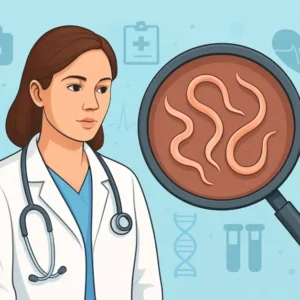
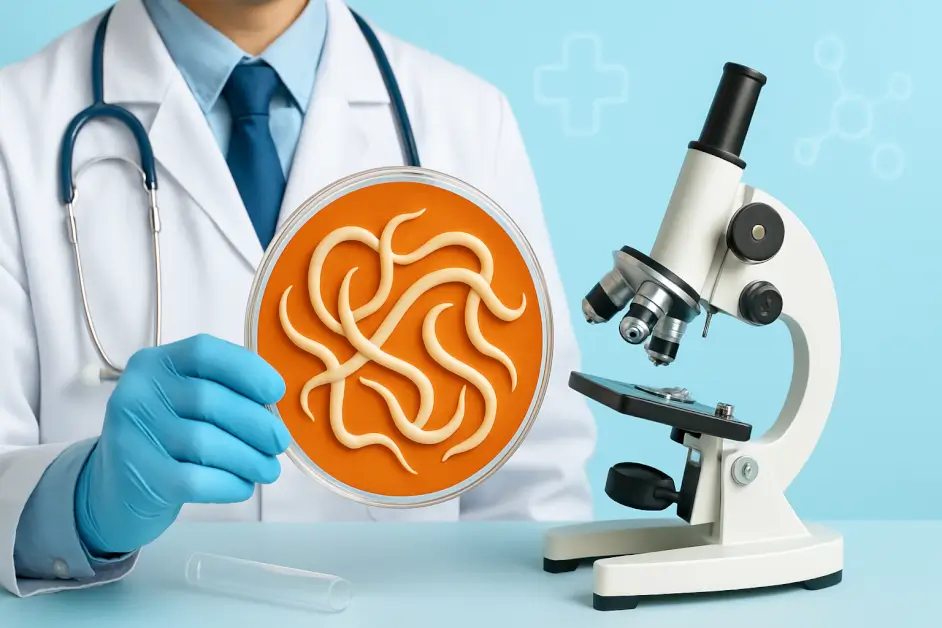
This is the most frequently used method for worm diagnosis. Patients provide stool samples that are examined under a microscope to detect eggs, larvae, or adult worms. It’s a straightforward, yet effective diagnostic tool, often repeated over several days to improve accuracy.
2. Blood Tests
Sometimes, worm infections trigger immune responses, which can be detected via blood tests. These tests might look for antibodies or eosinophilia (an elevated number of a type of white blood cell), indicating the body’s reaction to the parasitic infestation.
3. Imaging Tests
In cases where worms have migrated to organs other than the intestines, doctors might recommend ultrasound, X-rays, or MRI scans. These help visualise cysts or worms in tissues, although such cases are less common.
4. Physical Examination and Medical History
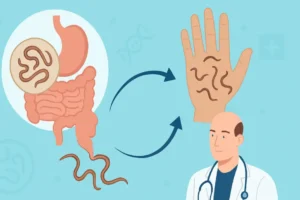
Sometimes physical signs—like visible worms around the anus or rash on the skin—combined with a patient’s history, offer crucial clues. Still, these observations typically support, rather than replace, laboratory diagnostics.
Role of Healthcare Professionals in Worm Diagnosis
Doctors, nurses, and specialists play a pivotal role in the diagnosing process. They interpret test results within the context of symptoms and patient background. In the UK, the National Health Service (NHS) provides clear guidelines on managing suspected worm infections, urging prompt consultation and testing.
It’s worth mentioning that self-diagnosis or using over-the-counter treatments without a confirmed worm diagnosis can sometimes lead to more problems, such as resistance or unnecessary exposure to medications.
Preparing for a Worm Diagnosis Test
Before any diagnostic test, it’s important that patients follow instructions carefully for the most accurate results. For stool tests, this might mean avoiding certain medications or providing samples over a few days. Clear communication with healthcare providers helps ensure the diagnostic process runs smoothly.
Try to note any symptoms—including when they started, their severity, and any recent travels or dietary habits—as these details aid diagnosis significantly.
Understanding the Limitations of Tests
No diagnostic process is perfect. Stool samples may not detect all infections every time because worms may not shed eggs consistently. Blood tests, while useful, might not differentiate between past and current infections clearly.
Therefore, sometimes doctors combine multiple tests and clinical judgement to finalize the diagnosis. This highlights the importance of professional support through the entire process.
Linking Diagnosis with Treatment Plans
Once a confirmed worm diagnosis is established, treatment can be tailored specifically for the worm type and infection severity. The range of antiparasitic medications varies, each designed to target certain worms. The treatment duration and follow-up testing also depend on the initial diagnosis.
And if treatment starts too early without confirmation, it might mask underlying issues or cause complications. That’s why the diagnostic phase is integral to ensuring treatments are safe and effective.
Preventing Re-Infection Through Awareness
Accurate worm diagnosis doesn’t just help with curing existing infection but also raises awareness about prevention. Patients learn about hygiene, sanitation, and lifestyle adjustments that reduce the chances of future infestations.
Public health in the UK actively supports education and screenings in at-risk populations, emphasising that prevention complements diagnosis and treatment efforts.
When to Seek Medical Advice
If you or someone close to you experiences persistent abdominal discomfort, unexplained weight loss, or other symptoms associated with possible worm infections, don’t hesitate to consult a healthcare professional. Early worm diagnosis is a step forward in managing your health effectively.
Remember, it’s always better to be cautious and informed than to overlook symptoms that could point to something serious.
Wrapping Up
Diagnosing worm infections before treatment is a critical aspect of healthcare that ensures targeted and appropriate care. With a trustworthy healthcare system, reliable diagnostic tests, and patient cooperation, the process can be straightforward and efficient.
Should you suspect a worm infection, reach out to a medical professional in the UK promptly. The sooner you get an accurate worm diagnosis, the quicker you can embark on the right treatment journey.
Stay informed, stay safe, and don’t underestimate the power of an early and precise diagnosis.