

Understanding Ivermectin Dosage by Weight: A UK Guide
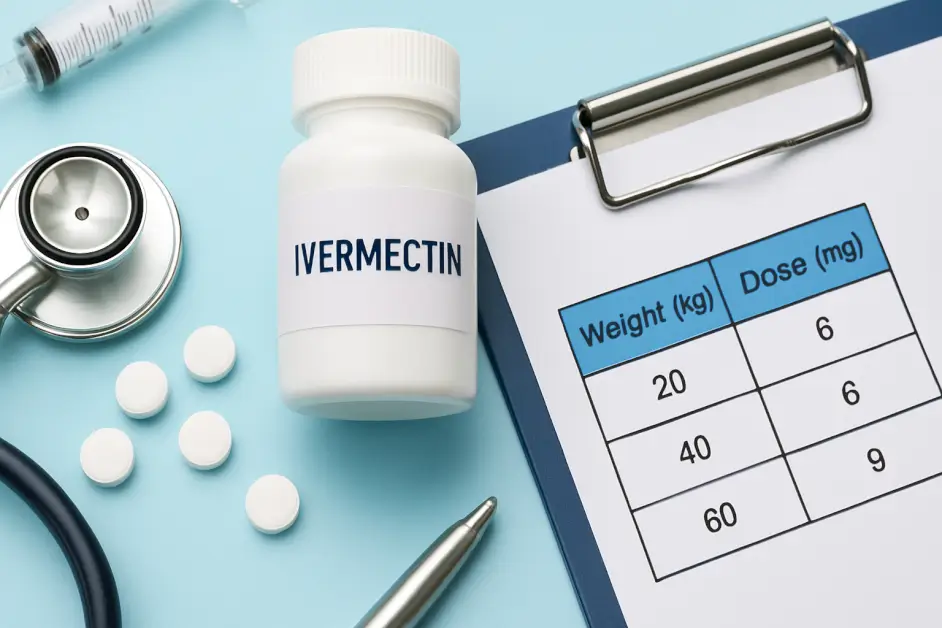
Introduction to Ivermectin Dosage by Weight
If you’re looking to understand ivermectin dosage weight considerations, you’re in the right place. Ivermectin is a medication widely used for parasitic infections and requires careful dosage based on an individual’s weight to ensure safety and effectiveness. This article breaks down what you need to know about ivermectin dosage weight, especially for those residing in the United Kingdom.
What is Ivermectin?
Ivermectin is an antiparasitic drug that has been used for decades primarily to treat several types of parasitic infections such as river blindness, scabies, and certain intestinal worms. It is available by prescription and should always be taken under the supervision of a healthcare professional.
How Ivermectin Works
The drug works by targeting the nervous system of parasites, effectively paralyzing and killing them. But it does not affect human cells in the same way, making it a useful and generally safe treatment when dosed correctly.
The Importance of Weight-Based Dosage
Determining the correct ivermectin dosage weight is critical because its dosing depends directly on a person’s body weight. Giving too little may fail to clear the infection, while too much may increase the risk of side effects.
Typically, ivermectin dosage is calculated in micrograms per kilogram (mcg/kg) or milligrams per kilogram (mg/kg) of body weight. The common dosing range for many conditions lies between 150 mcg/kg to 200 mcg/kg, but this can vary based on the infection being treated.
General Dosage Guidelines
- Adults and children over 15 kg usually receive a single dose of 150 to 200 mcg/kg.
- Doses may be repeated after one to two weeks depending on the infection.
- For certain conditions, such as scabies, a second dose may be given 7 to 14 days later.
These guidelines emphasize why weight measurement before treatment is essential, especially for children and individuals who may not fall into typical body weight categories.
Calculating Ivermectin Dosage by Weight
Calculating ivermectin dosage is straightforward if you know your exact body weight. Here’s a simple example for clarity:
- If you weigh 70 kg and the recommended dose is 200 mcg/kg, your dose will be 70 kg × 0.2 mg = 14 mg.
- Since tablets usually come in 3 mg or 6 mg, your doctor will round the dose appropriately.
Remember, this is just an example and should never replace professional medical advice.
Why the UK Focus Matters
In the United Kingdom, prescribing guidelines are carefully regulated by the NHS and entities such as the British National Formulary (BNF). The dosing recommendations align with internationally accepted standards, but local adaptations can occur depending on available formulations and specific population needs.
Safety and Precautions When Using Ivermectin
Using ivermectin safely means adhering strictly to prescribed dosages based on weight. Overuse or incorrect dosing can lead to side effects including nausea, dizziness, skin reactions, or more serious neurological symptoms in rare cases.
Patients should always inform their doctors about other medications they are taking and disclose any underlying conditions such as liver disease.
Side Effects to Watch For
- Mild symptoms: headache, dizziness, stomach pain, or mild skin rash.
- Serious symptoms: confusion, tremors, seizures, or severe allergic reactions (rare).
If any serious side effects occur, seek medical attention immediately.
Common Questions About Ivermectin Dosage Weight
Can I take ivermectin without a prescription?
In the UK, ivermectin is a prescription-only medicine. It is important to consult a healthcare professional before use to ensure the right dose and suitability.
How often should ivermectin doses be repeated?
The frequency depends on the condition being treated. Some treatments require a single dose, while others may require one or two additional doses separated by one or two weeks.
Is ivermectin safe for children?
Yes, but dosage must be carefully calculated by weight. Ivermectin is typically only prescribed for children weighing at least 15 kg.
Consulting Healthcare Providers in the UK
Whenever you need ivermectin treatment, always seek advice from your GP or a specialist. They will determine the appropriate dose based on your weight, medical history, and the specific parasite infection.
Pharmacists can also provide guidance on formulation and dosing alongside your doctor’s prescription.
Conclusion
Understanding ivermectin dosage weight is crucial for safe and effective treatment of parasitic infections. By basing dosages on body weight, healthcare professionals can optimize treatment outcomes and minimize side effects.
Remember, ivermectin should only be used under medical supervision, and UK residents should always follow NHS guidance and prescriptions carefully.
Stay informed, measure your weight accurately, and consult your healthcare provider for personal dosing instructions. Taking these steps will ensure you use ivermectin wisely and safely.


