Ivermectin Lice: Effective Treatment and What You Need to Know
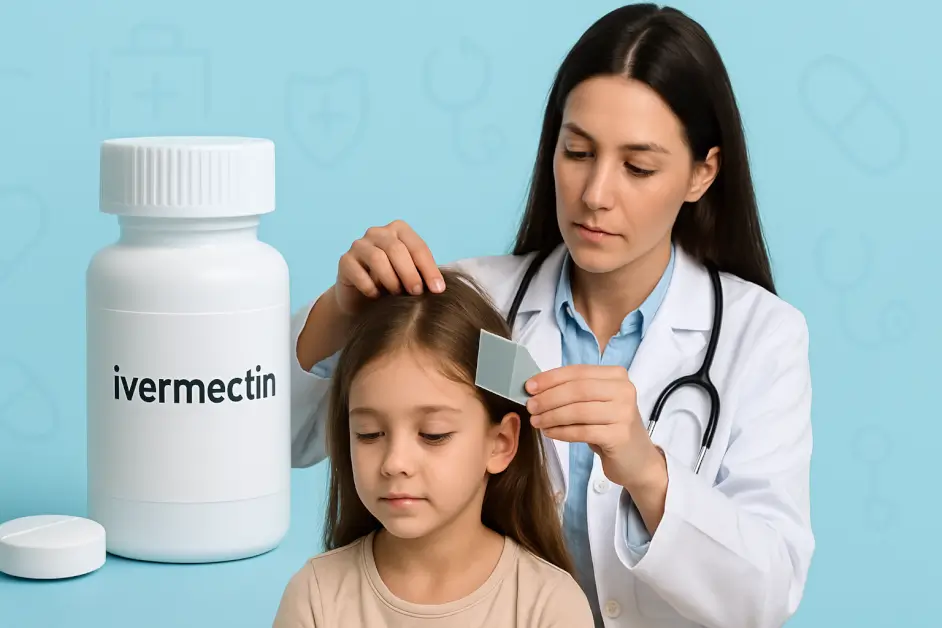
Introduction to Ivermectin for Lice
Dealing with head lice can be frustrating and tiring, especially when common treatments don’t seem to work. Thankfully, there are effective options available, and one of them is ivermectin. If you’ve been searching for a reliable solution, understanding ivermectin lice treatment could be a game-changer. In the United Kingdom, where lice infestations are quite common, ivermectin has emerged as a trusted medical option to tackle this issue.
In this article, we will explore what ivermectin is, how it works against lice, safety considerations, and what you can expect during treatment. So, let’s dive in and get all the facts straight so you feel confident in managing lice infestations effectively.
What Is Ivermectin?
Ivermectin is an antiparasitic medication that has been around for decades. Originally developed to combat various parasites in humans and animals, it gained wider recognition for its broad-spectrum activity. Today, ivermectin is used in multiple forms—both oral tablets and topical applications—to treat conditions caused by parasites, including head lice.
The medication works by interfering with the nervous system of the parasites, effectively paralyzing and killing them. This mechanism makes it especially useful when dealing with lice that might be resistant to other conventional treatments.
How Does Ivermectin Work Against Lice?
When used for lice, ivermectin targets the central nervous system of the insects. Lice feed on the scalp and hair, causing itchiness and discomfort. Upon exposure to ivermectin, lice experience paralysis, which stops them from moving or feeding, leading to their death.
It’s important to note that ivermectin not only kills live lice but also significantly affects their ability to reproduce. This dual action helps in breaking the lifecycle of lice and reducing the chances of rapid re-infestation.
Forms of Ivermectin for Lice Treatment
- Oral Ivermectin: Taken as a tablet, usually prescribed in specific doses by a healthcare professional. The oral form circulates through the bloodstream, reaching the hair follicles where lice reside.
- Topical Ivermectin: Available as creams or lotions, applied directly to the scalp and hair. This localised approach targets lice on the spot without systemic absorption.
Effectiveness and Usage in the UK
In the UK, head lice remain a common problem, especially among school-aged children. Resistance against traditional lice treatments like permethrin and malathion has increased over time, prompting healthcare providers to recommend alternatives like ivermectin.
Clinical studies and practical experience suggest that ivermectin has high efficacy against lice, even those resistant to other treatments. For those suffering from persistent infestations, ivermectin lice treatment can offer noticeable relief within a few days of starting therapy.
Guidelines for Use
- Prescription Requirement: Oral ivermectin generally requires a prescription from a healthcare provider in the UK. This ensures correct dosing and safety monitoring.
- Application Instructions: For topical formulations, it’s crucial to follow the instructions carefully. Usually, the lotion is applied to dry hair and left on for a specified period before rinsing.
- Repeat Treatment: In some cases, a second treatment might be recommended 7 to 10 days after the first to catch any newly hatched lice.
Safety Considerations and Side Effects
Like any medication, ivermectin must be used responsibly. While it is generally well tolerated, some individuals may experience mild side effects. Common reactions to topical ivermectin include itching, redness, or a slight burning sensation on the scalp. Oral ivermectin may rarely cause dizziness, nausea, or headache.
It’s always best to consult a healthcare professional before starting ivermectin lice treatment, especially for young children, pregnant or breastfeeding women, and those with underlying health conditions.
Remember, avoiding self-medication and following medical advice ensure the safest and most effective outcomes.
Comparing Ivermectin to Other Lice Treatments
Treatment for head lice has evolved, with many options available over the counter or by prescription. Traditional pediculicides like permethrin creams or malathion lotions have long been used but sometimes face challenges due to resistance.
Ivermectin stands out because of its unique mode of action and ability to overcome resistance developed by lice against older treatments. Additionally, oral ivermectin offers convenience and avoids some issues associated with topical applications, such as hair type or application errors.
Still, choosing the right treatment depends on individual circumstances, including severity of infestation, patient age, and tolerance to medications.
Tips for Preventing Head Lice
While ivermectin can effectively treat lice, prevention remains a key strategy to reduce outbreaks, particularly in communal settings like schools.
- Avoid head-to-head contact: Direct contact allows lice to move from one person to another.
- Do not share personal items: Hats, hairbrushes, or headphones can be breeding grounds for lice transfer.
- Regularly check hair and scalp: Early detection can prevent severe infestations.
- Use lice combs: Fine-toothed combs help remove lice and nits when used consistently.
When to See a Healthcare Professional
If you or your child experience persistent itching, visible lice, or nits after trying over-the-counter treatments, it’s advisable to consult with a pharmacist or GP. They may recommend ivermectin lice treatment or other medical interventions tailored to your situation.
Professional guidance is especially important to avoid misuse of medications and to manage any allergic reactions or complications that could arise.
Summary
Head lice infestations can be quite a nuisance, but with proper treatment like ivermectin, there is hope for effective management. Ivermectin lice treatment offers a scientifically supported option in the UK for those struggling with stubborn lice.
By understanding how ivermectin works, its benefits, safety considerations, and prevention tips, you can approach lice management with confidence. Always seek medical advice for diagnoses and tailored treatment plans suitable for you or your family’s needs.
So, if you find yourself battling lice that just won’t go, it might be worth discussing ivermectin with your healthcare provider as a trusted treatment alternative.