Natural vs Medical Deworming: Understanding Your Options
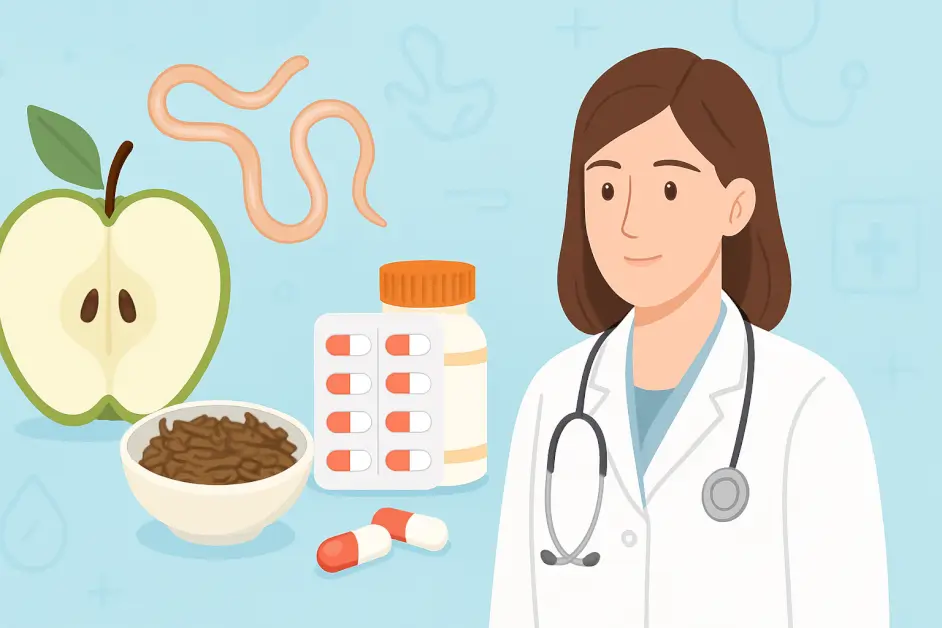
Natural vs Medical Deworming: What You Need to Know
When it comes to dealing with intestinal parasites, many people face a common dilemma: natural vs deworming treatments. It’s an important discussion, especially for those who want to ensure the health of their family or pets without unnecessary risks. Parasites can be a serious concern, and understanding the differences between natural remedies and medical deworming options is key to making informed decisions.
What Is Deworming?
Deworming refers to the process of eliminating parasitic worms from the body. These parasites, which include roundworms, tapeworms, and hookworms, can cause various health issues if left untreated. People often find themselves wondering if natural methods are effective or if medical treatment is the safer and more reliable choice.
Exploring Natural Deworming
Natural deworming involves using herbal supplements, dietary changes, and traditional remedies to combat parasites. Common natural agents include garlic, pumpkin seeds, papaya seeds, and certain herbs like wormwood and neem. These substances are often praised for their potential anti-parasitic properties and fewer side effects.
One of the appeals of natural options is their perceived safety and holistic approach. Many seek these remedies because they prefer avoiding pharmaceuticals or want to complement medical treatment. However, it’s important to understand that natural remedies vary widely in their effectiveness and scientific backing.
Benefits and Limitations of Natural Deworming
- Pros: Often gentler on the system, fewer side effects reported, can be part of a regular wellness routine, may improve overall gut health.
- Cons: Limited scientific evidence for efficacy against all parasite types, dosage and preparation can be inconsistent, not always suitable for severe infections.
Medical Deworming: The Conventional Approach
Medical deworming typically involves prescription or over-the-counter anthelmintic drugs. These medications are designed to target and kill specific types of parasitic worms efficiently. Popular drugs include albendazole, mebendazole, and praziquantel.
Such treatments are widely recommended by healthcare professionals since they have been rigorously tested for safety and effectiveness. Medical deworming usually acts quickly and can handle a broad range of infestations, making it essential in managing moderate to severe cases.
Advantages and Challenges of Medical Deworming
- Pros: Scientifically validated, fast-acting, targeted treatment for specific parasites, widely accessible through healthcare providers.
- Cons: Possible side effects ranging from mild to severe, potential for drug resistance with repeated use, requires medical supervision for best results.
When to Choose Natural vs Medical Deworming
Deciding between natural vs deworming remedies isn’t always straightforward. Mild or preventive cases might benefit from natural approaches, especially if one is not experiencing significant symptoms. Incorporating natural remedies can support the immune system and provide gentle parasitic control.
However, if symptoms are prominent — such as abdominal pain, weight loss, fatigue, or visible worms — medical treatment should be a priority. Delaying effective deworming could lead to complications, particularly in children or immunocompromised individuals.
Combining Both Approaches
Sometimes a hybrid strategy works best. Using natural supplements alongside medical treatment can enhance gut health and reduce parasite recurrence. Yet, it’s crucial to discuss any natural products with your healthcare provider to avoid interactions or contraindications.
Safety Considerations and Best Practices
Regardless of which method you choose, some basic safety steps remain important:
- Consult a healthcare professional before starting any deworming regimen.
- Maintain good hygiene to prevent reinfection.
- Follow dosage instructions carefully, whether using natural remedies or medications.
- Monitor for side effects and seek medical advice promptly if any adverse symptoms appear.
- Ensure pets and family members are also dewormed appropriately to avoid cross-contamination.
Frequently Asked Questions
Can natural remedies completely replace medical deworming?
In mild cases, natural remedies might help reduce parasite load but are generally not strong enough to replace medical treatments, especially for serious infections.
Are medical deworming drugs safe?
When used as directed, they are generally safe and effective. Side effects exist but are usually mild and temporary.
How often should deworming be done?
Frequency depends on risk factors like geographic location, lifestyle, and exposure. It’s best determined by a healthcare provider.
Conclusion
Natural vs deworming treatments each have their place in managing parasitic infections. Natural methods offer a gentler path with some benefits to overall wellness, but they should not replace proven medical therapies when serious infection is present. Understanding both options allows individuals in the United Kingdom and beyond to choose approaches that suit their health needs responsibly. Always consult healthcare professionals to guide your journey towards a parasite-free and healthy life.