Parasite Treatment Guide: Effective Approaches for a Healthier Life
Understanding Parasites and Their Impact on Health
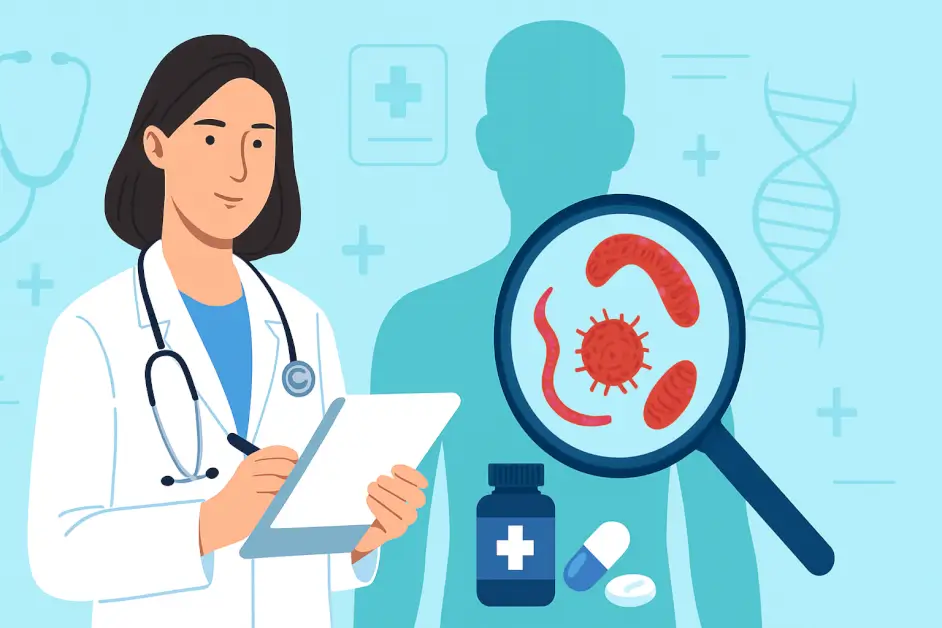
Parasites are organisms that live on or inside a host and benefit at the host’s expense. They can affect humans in numerous ways, ranging from mild discomfort to severe health complications. As such, knowing the right parasite treatment is crucial for maintaining good health. In the United Kingdom, awareness about parasites and their effects is growing, and effective parasite treatment methods are becoming increasingly important.
Common Types of Parasites Affecting Humans
Parasites that infect humans can be broadly categorized into three groups: protozoa, helminths, and ectoparasites. Each group contains specific species responsible for different illnesses.
- Protozoa: Single-celled organisms such as Giardia lamblia and Entamoeba histolytica, which often cause gastrointestinal problems.
- Helminths: These are worm-like parasites, including roundworms, tapeworms, and flukes. They can inhabit various body parts such as the intestines, blood, or tissues.
- Ectoparasites: Parasites like lice, ticks, and mites live on the skin, often causing irritation and transmitting infections.
Signs and Symptoms Indicating Parasite Infection
Identifying a parasite infection can be tricky due to the variety of symptoms. However, some common signs include:
- Digestive issues such as diarrhea, bloating, or stomach pain
- Fatigue and general weakness
- Unexplained weight loss
- Itching around the anus, especially at night
- Skin rashes or irritation
- Muscle and joint pain
If you experience any of these symptoms persistently, seeking medical advice to explore parasite treatment options is essential.
Diagnosing Parasite Infections
Proper diagnosis is the first step toward effective parasite treatment. Medical professionals usually utilize a combination of methods, including:
- Stool Analysis: Examining stool samples under a microscope to detect parasite eggs or larvae.
- Blood Tests: Identifying antibodies or parasite antigens in the blood.
- Imaging Tests: In some cases, ultrasounds or X-rays may be needed to locate parasites in organs or tissues.
Depending on symptoms and exposure history, doctors may recommend specific tests to confirm the infection and determine the appropriate treatment.
Effective Parasite Treatment Options
Treating parasites often requires a tailored approach that targets the specific type of parasite involved. Here are some common treatments used:
- Antiparasitic Medications: Drugs such as albendazole, mebendazole, and metronidazole are commonly prescribed to eliminate parasites. The choice depends on the parasite species and infection severity.
- Supportive Care: Managing symptoms like dehydration or nutritional deficiencies is vital during treatment.
- Follow-Up Testing: Ensuring the parasite has been fully eradicated may require repeat stool or blood tests after treatment.
Still, it’s important to follow a healthcare provider’s instructions closely and complete the full course of medication to prevent reinfection or resistance.
Preventing Parasite Infections
Prevention is often more manageable than treatment. Simple lifestyle choices can significantly reduce the risk of parasite infections:
- Practice good hand hygiene, especially before eating and after using the restroom.
- Ensure that food is properly cooked and water is clean.
- Avoid walking barefoot in areas that may be contaminated with feces.
- Use insect repellents and protective clothing to prevent ectoparasite bites.
For those travelling to areas with higher parasite risks, additional precautions such as vaccinations or prophylactic medications may be advised.
When to See a Doctor
If you suspect a parasite infection based on your symptoms or recent exposures, it’s wise to consult a healthcare provider promptly. Early diagnosis and timely parasite treatment can help you avoid complications and speed up recovery.
Remember, self-medicating without proper guidance can sometimes do more harm than good. Professional advice ensures that you receive the most effective and safe treatment.
The Role of Nutrition and Lifestyle in Recovery
Recovering from a parasite infection isn’t just about medication. Maintaining a balanced diet rich in vitamins and minerals supports your immune system. Drinking plenty of fluids helps flush out toxins, and adequate rest allows your body to heal efficiently.
Some natural approaches, like probiotics, may aid in restoring gut health after treatment. However, always discuss such options with your doctor to ensure they complement your medical regimen.
Conclusion: Stay Informed and Proactive
Parasite treatment doesn’t have to be daunting. With proper knowledge, diagnosis, and care, you can effectively manage and prevent parasite infections. In the UK, where awareness and healthcare facilities continue to improve, help is always accessible.
Keep a watchful eye on your health, maintain good hygiene practices, and don’t hesitate to seek professional advice if parasites are a concern. By taking these steps, you’ll be better equipped to protect yourself and enjoy a healthier life.
Parasite treatment is a vital aspect of healthcare that deserves attention. Armed with the right information and care, you can navigate this challenge confidently and safely.