Travel Tips to Prevent Worm Infections: How to Prevent Worms While Traveling
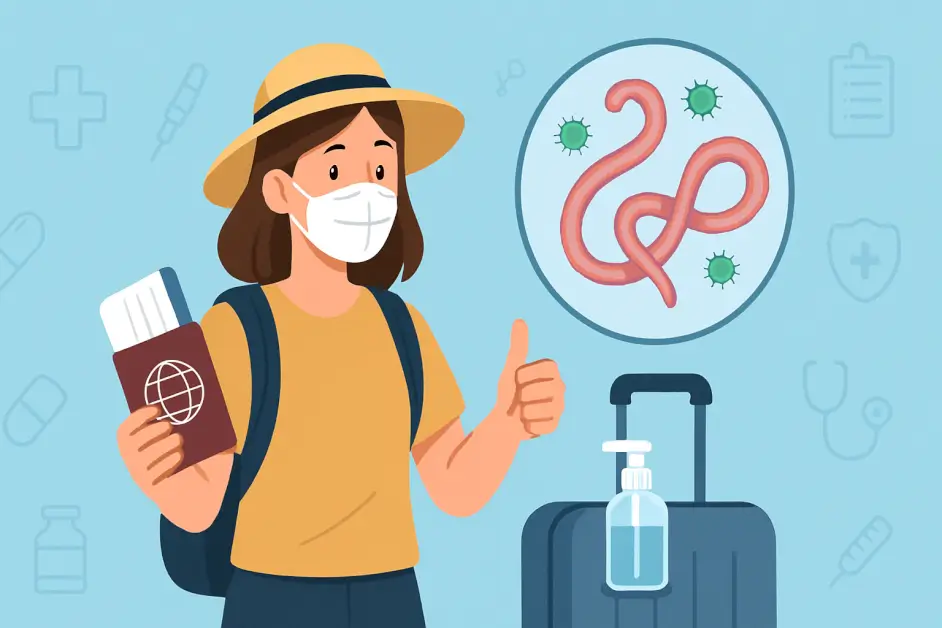
Travel Tips to Prevent Worm Infections
Traveling is an exciting opportunity to explore new places, experience different cultures, and create lasting memories. However, it’s essential to stay mindful of your health, especially when it comes to parasitic infections like worms. Knowing how to prevent worms while traveling can save you from discomfort and serious health issues later on. In this guide, we’ll cover practical tips and medically sound advice to help keep you safe.
Understanding Worm Infections
Worm infections, also known as helminth infections, are caused by parasitic worms that enter the body through contaminated food, water, soil, or contact with infected animals or people. Common types include roundworms, tapeworms, hookworms, and pinworms. These parasites can cause a range of symptoms, from mild digestive discomfort to more severe health problems if left untreated.
The risk of worm infections is higher in certain regions, particularly in tropical and subtropical countries where sanitation standards may vary. But that doesn’t mean you can’t enjoy your trip; it simply means taking some precautionary measures. Below are some essential tips on how to prevent worms while traveling.
1. Practice Good Personal Hygiene
One of the simplest yet most effective ways to prevent worm infections is maintaining personal hygiene. Wash your hands thoroughly with soap and water before eating and after using the restroom. If clean water isn’t available, using an alcohol-based hand sanitizer can be a good alternative.
Try to avoid touching your face, mouth, or eyes with unwashed hands, as this can facilitate the entry of parasites into your body.
2. Be Cautious with Food and Water
Contaminated food and water are common sources of worm infections. Here’s how you can reduce your risk:
- Drink bottled or boiled water: Always opt for bottled water with intact seals or water that has been properly boiled. Avoid tap water, ice cubes, and drinks made with tap water.
- EAT cooked food: Ensure that your meals are thoroughly cooked and served hot. Parasites can’t survive high temperatures, so cooking food properly is a reliable protection.
- Wash raw fruits and vegetables: If you plan to eat raw produce, wash it carefully with clean water or use fruit peels rather than eating unpeeled fruits.
- Avoid street food with caution: While street food can be tempting, it sometimes poses a higher risk. If you do indulge, choose vendors with good hygiene practices and freshly prepared dishes.
3. Wear Appropriate Footwear
Walking barefoot on contaminated soil or sand can increase your chance of getting certain types of worms, like hookworms, which penetrate the skin. Always wear shoes or sandals, especially when in rural areas, beaches, or places with poor sanitation.
4. Avoid Contact with Contaminated Soil and Water
Be mindful of where you swim or play. Freshwater bodies in some regions can carry parasites. It’s best to swim in well-maintained pools or saltwater where possible. Also, avoid sitting or lying directly on dirt or sand, especially if it’s moist or appears unclean.
5. Use Insect Repellent and Protective Clothing
Some worms are transmitted by insects such as blackflies or mosquitoes. Using insect repellent and wearing long-sleeved clothing can reduce exposure to insect bites, thereby lowering your risk of certain parasitic infections.
6. Consider Preventive Medication
Before traveling to high-risk areas, consult your healthcare provider about the possibility of taking preventive medication to protect against worms. While this is not necessary for every trip, your doctor can recommend options based on your destination and health status.
7. Be Informed and Prepared
Research your destination before you travel. Understanding local health risks and recommendations can guide you in making safer choices. Carry a travel health kit including hand sanitizer, water purification tablets, and any prescribed medications.
8. Seek Medical Attention If You Experience Symptoms
If during or after your trip you develop symptoms such as abdominal pain, diarrhea, unexplained weight loss, or fatigue, consult a medical professional promptly. Early diagnosis and treatment are key to managing worm infections effectively.
Summary
Traveling is a joy, and with a bit of caution, you can protect yourself against worm infections. To prevent worms while traveling, focus on good hygiene, safe food and water practices, protective clothing, and being well-informed. Safe travels start with smart health choices!