Mass Deworming Campaigns Explained: What You Need to Know
Introduction to Mass Deworming Campaigns
Mass deworming campaigns play a crucial role in public health, especially in regions where parasitic worm infections are prevalent. These campaigns aim to treat and control infections caused by intestinal worms in large populations, particularly targeting school-aged children and vulnerable groups. In the United Kingdom and beyond, understanding the purpose and benefits of mass deworming campaigns can help raise awareness and support for such initiatives.
What are Mass Deworming Campaigns?
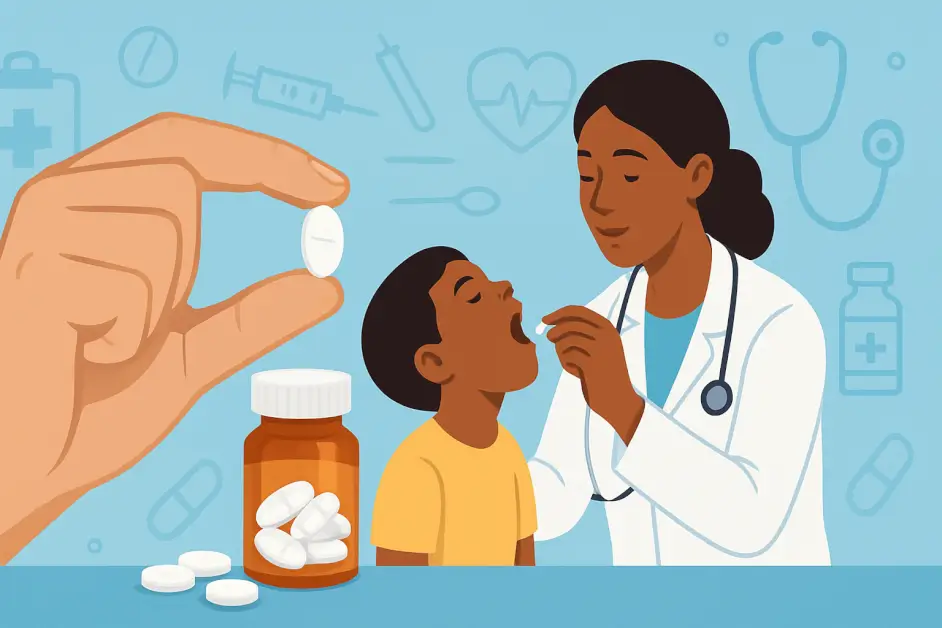
Mass deworming campaigns involve the periodic administration of anthelmintic medicines to entire at-risk populations, irrespective of individual infection status. This approach helps to reduce the overall worm burden in the community, preventing the spread of infection and improving public health outcomes. Typically, these campaigns are organized at national or regional levels and are often carried out in schools, healthcare centers, or community settings.
Target Groups and Why They Matter
Children, especially those attending schools, are most commonly targeted during mass deworming campaigns. This is because they are disproportionately affected by parasitic infections due to factors such as limited access to sanitation and hygiene facilities. Worm infections can lead to malnutrition, impaired growth, cognitive delays, and reduced school attendance.
Common Types of Worms Addressed
The focus of mass deworming campaigns is primarily on soil-transmitted helminths, a group that includes roundworms, whipworms, and hookworms. These parasites are widespread and pose significant health risks in many parts of the world. Although the UK faces lower risks compared to other countries, understanding these worms remains essential for global health initiatives and awareness.
- Roundworms (Ascaris lumbricoides): These large intestinal worms can cause abdominal discomfort and nutritional deficiencies.
- Whipworms (Trichuris trichiura): Known to irritate the digestive tract, sometimes resulting in diarrhoea and anaemia.
- Hookworms (Ancylostoma duodenale and Necator americanus): These attach to the intestinal wall and feed on blood, potentially causing iron-deficiency anaemia.
How Mass Deworming Campaigns are Conducted
Implementing a mass deworming campaign involves careful planning and coordination between healthcare providers, educators, and local authorities. Here are the key steps typically followed:
- Assessment and Planning: Health surveys and prevalence studies identify high-risk areas and target populations.
- Community Engagement: Informing and educating the community to ensure cooperation and dispel myths.
- Drug Distribution: Administering safe, WHO-recommended anthelmintic drugs, usually via single-dose tablets.
- Monitoring and Evaluation: Tracking the campaign’s reach and effectiveness to guide future efforts.
Children are often given medicines such as albendazole or mebendazole, which are widely accepted for their safety and efficacy. These drugs help eliminate intestinal worms with minimal side effects, making them suitable for mass administration.
Benefits of Mass Deworming Campaigns
The advantages of mass deworming campaigns extend far beyond simply treating infections. Some of the key benefits include:
- Improved Nutritional Status: Removing worms reduces nutrient loss and improves absorption.
- Enhanced Cognitive Functions: Healthier children tend to perform better in school due to improved concentration and energy levels.
- Reduced Disease Transmission: Lower worm prevalence in the community diminishes the risk of spread.
- Economic Gains: Healthy populations contribute more effectively to economic development through improved productivity.
Why Repeated Treatments Are Necessary
Worm infections can quickly re-establish without proper sanitation or hygiene improvements. Hence, mass deworming campaigns are repeated periodically, commonly once or twice a year, to maintain low infection rates and protect public health continuously.
Challenges and Considerations
Despite their benefits, mass deworming campaigns face several challenges that must be carefully managed:
- Ensuring High Coverage: Reaching all eligible individuals can be difficult, especially in remote or underserved areas.
- Combating Misinformation: Some communities may be hesitant due to misunderstandings about medicine safety.
- Integrating with Other Health Programs: Coordinating with nutrition, sanitation, and education initiatives enhances overall effectiveness.
- Monitoring Drug Resistance: Ongoing surveillance helps detect any emerging resistance to anthelmintic drugs.
The Importance of Complementary Measures
Mass deworming campaigns work best when combined with improvements in water, sanitation, and hygiene (WASH). For lasting impact, educating communities on handwashing, safe waste disposal, and clean water use is essential. Schools and healthcare workers often lead these educational efforts alongside deworming activities.
Looking Ahead: Mass Deworming Campaigns in the UK
While the UK does not currently require large-scale mass deworming like some tropical countries, staying informed about parasitic diseases remains important for travellers, healthcare professionals, and policymakers. The lessons learned from mass deworming campaigns worldwide continue to guide effective public health strategies, including in the UK.
In summary, mass deworming campaigns are vital public health tools that help reduce the burden of parasitic worm infections. They contribute to better health, education, and economic outcomes, making them a worthy investment for communities around the globe.
Keeping these campaigns well-organised and widely supported ensures healthier futures for children and communities alike.