WHO Recommendations on Deworming: Understanding WHO Deworming Guidelines
Introduction to WHO Deworming Guidelines
So, what exactly are the WHO deworming guidelines, and why do they matter to public health? The World Health Organization (WHO) has set clear recommendations and protocols for deworming, which is the mass administration of anthelmintic drugs to populations at risk of parasitic worm infections. These infections, caused mainly by soil-transmitted helminths (STHs) such as roundworms, whipworms, and hookworms, remain a significant health concern worldwide. While these parasites are not often in the spotlight, their impact on nutritional status and general well-being cannot be overlooked, especially in vulnerable groups.
In this comprehensive overview, we will walk through the current WHO deworming guidelines, their significance, and practical implications, particularly focusing on the context of the United Kingdom. Alongside this, we will address common questions and considerations to provide a clear understanding of these global health recommendations.
What Are Soil-Transmitted Helminth Infections?
Before diving into the WHO’s recommendations, it’s helpful to briefly understand the infections these guidelines target. Soil-transmitted helminths are intestinal parasites transmitted through contaminated soil. People can become infected by walking barefoot on infected soil, consuming contaminated food or water, or through poor sanitation and hygiene practices. Common symptoms often include abdominal pain, diarrhoea, fatigue, and in chronic cases, malnutrition and impaired cognitive development, particularly in children.
Thankfully, WHO deworming guidelines promote treatment strategies that effectively reduce these infections’ prevalence and severity worldwide.
Key Points of WHO Deworming Guidelines
The WHO has formulated its deworming guidelines based on extensive research and field data. These recommendations help guide health authorities, medical professionals, and organisations in implementing effective deworming programmes. Here are the main aspects:
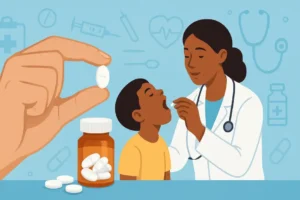
- Target Population: Mass deworming is advised primarily for groups at high risk, such as preschool and school-aged children, and in some regions, women of reproductive age.
- Frequency of Treatment: Depending on the prevalence of infection in a community, deworming is recommended once or twice annually.
- Drugs Used: The preferred anthelmintic medications include albendazole and mebendazole, both of which are safe, affordable, and effective.
- Integration with Other Health Services: Deworming often integrates with nutrition and hygiene education programmes to maximise health benefits.
- Monitoring and Evaluation: Ongoing assessment is critical to ensure the programmes achieve desired outcomes and adapt to changing infection patterns.
Mass Drug Administration Based on Risk Assessment
One standout feature in the WHO deworming guidelines is the recommendation for mass drug administration (MDA). The idea here is to administer deworming medication on a population-wide scale without individual diagnosis, focusing on regions where infection prevalence is high. This approach is cost-effective and helps reduce transmission.
For instance, in areas where more than 20% of children are infected with STHs, WHO suggests treating all children once a year. Where prevalence exceeds 50%, treatment should be twice a year. This strategy helps to reduce the worm burden substantially, even among those who might not yet show symptoms.
Why Is Deworming Important in the UK Context?
The incidence of soil-transmitted helminth infections in the United Kingdom is generally low compared to other parts of the world. That said, certain groups remain at risk, especially travellers returning from endemic areas and immigrant populations. Understanding the WHO deworming guidelines in this context aids UK healthcare providers in assessing the necessity and timing of treatment.
Additionally, the UK’s NHS often follows the WHO framework as a benchmark when developing their local protocols for parasitic infections. For international travellers, deworming recommendations can be particularly relevant to avoid complications arising from infections acquired abroad.
Public Health Benefits of Adhering to WHO Deworming Guidelines
When implemented appropriately, WHO deworming guidelines contribute to numerous public health improvements. These include:
- Reducing Morbidity: Deworming decreases intestinal worm loads, alleviating symptoms like anaemia, malnutrition, and growth retardation in children.
- Enhancing Cognitive and Educational Outcomes: Studies have linked deworming to improved school attendance and performance, attributing this to better overall health.
- Improved Community Health: Lower worm burdens reduce transmission, benefiting even untreated individuals.
Effectively, following these guidelines supports a healthier population, reducing the disease burden on healthcare systems.
Implementing Deworming Programmes: Practical Considerations
Adhering to the WHO deworming guidelines involves more than just giving medicines. It requires careful planning and coordination to maximise impact:
- Accurate Mapping: Understanding local infection prevalence guides the frequency of deworming interventions.
- Community Engagement: Gaining trust and acceptance through sensitisation ensures higher participation rates.
- Integration with WASH (Water, Sanitation, and Hygiene): Combining deworming with improvements in sanitation and hygiene reduces reinfection rates.
- Training Health Workers: Proper education of healthcare providers is crucial to safe drug administration and monitoring.
In the UK, such programmes are generally targeted rather than universal, reflecting the lower risk and the importance of evidence-driven interventions.
Safety and Side Effects
One common question surrounding deworming is about safety. The drugs recommended—albendazole and mebendazole—are widely regarded as safe when administered at the correct doses. Side effects are usually mild and temporary, including nausea, dizziness, or abdominal discomfort. Nonetheless, it’s essential that deworming treatments follow professional guidelines and are part of supervised health programmes.
The Role of WHO Deworming Guidelines in Global Health
The WHO deworming guidelines play a pivotal role in coordinating international efforts to control parasitic worm infections. By standardising treatment approaches and recommending evidence-based strategies, the WHO helps countries maximise their resources and improve public health outcomes.
Global organisations, local governments, and NGOs often collaborate under this framework to implement effective deworming campaigns, particularly in low- and middle-income countries where soil-transmitted helminth prevalence remains high.
For the UK, awareness and application of these guidelines assist in guiding best practices, especially when dealing with imported cases or advising travellers about deworming needs.
Conclusion
To sum it up, the WHO deworming guidelines offer a practical and scientifically backed roadmap for reducing the burden of soil-transmitted helminth infections worldwide. The focus on targeted populations, strategic dosing intervals, and integrated public health efforts form the cornerstone of successful deworming programmes.
Even though the UK experiences relatively low infection rates, understanding and applying the WHO deworming guidelines remains important for certain risk groups and for aiding global health initiatives. Following these recommendations ensures a balanced approach—promoting health benefits while prioritising safety and community engagement.
If you’re a healthcare professional, policymaker, or simply interested in public health, keeping up-to-date with the WHO deworming guidelines is essential. It helps in making informed decisions that safeguard individual and community well-being, both locally and globally.