Why the Importance of Deworming Matters Globally
Understanding the Importance of Deworming
When we talk about health interventions around the world, the importance of deworming often doesn’t get the attention it truly deserves. Worm infections are a hidden burden affecting millions globally, particularly in regions with limited access to clean water and sanitation. While it might not be the first health topic that comes to mind, deworming plays a crucial role in improving public health, especially for vulnerable populations such as children.
What Is Deworming?
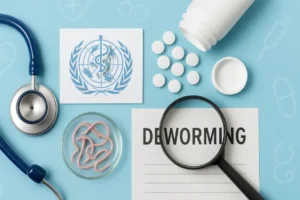
Deworming refers to the medical treatment aimed at eliminating parasitic worms, commonly known as helminths, from the human body. These parasites live in the intestines or other parts of the body and can cause a range of health issues depending on their type and the severity of infection.
Some of the most common worms that affect people include roundworms, hookworms, and whipworms. The transmission of these parasites often occurs through contaminated soil, food, or water, highlighting the connection between environmental factors and worm infections.
Why Is Deworming Important Globally?
The importance of deworming is particularly significant in low- and middle-income countries, including regions in Africa, Asia, and Latin America. However, even in the United Kingdom, awareness and occasional treatment remain relevant due to travel and immigration.
Here are several reasons why deworming matters worldwide:
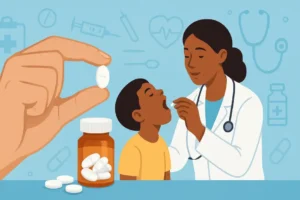
- Improving Child Health and Development: Worm infections can cause malnutrition, anaemia, and impaired cognitive development in children. Regular deworming helps reduce these risks, aiding children in reaching their full growth potential and performing better in school.
- Reducing Disease Transmission: By treating infected individuals, communities can reduce the spread of worms, protecting others from infection. This communal benefit is vital in achieving overall health improvement.
- Enhancing Economic Productivity: Worm infections can weaken adults as well, decreasing their ability to work efficiently. Deworming contributes to a healthier workforce, which is essential for the economy of any country.
- Supporting Global Health Initiatives: Deworming is often part of larger public health campaigns. It complements other measures such as vaccinations and sanitation improvements, forming an integrated approach to disease prevention.
Challenges in Deworming Efforts
Despite its clear benefits, the implementation of deworming programs faces several challenges:
- Access to Healthcare: Remote and underserved populations may lack access to medicines or regular health screenings.
- Awareness and Education: Misconceptions and lack of knowledge about worm infections and treatment can hinder participation in deworming programs.
- Reinfection Risks: Without improvements in hygiene and sanitation, individuals may become reinfected shortly after treatment.
Effective Strategies for Deworming
Successful deworming programs rely on a combination of medical treatment and public health measures:
- Mass Drug Administration (MDA): Periodic treatment of entire at-risk populations, especially school-aged children, irrespective of symptoms, is a proven strategy to reduce worm prevalence.
- Health Education: Informing communities about worm transmission and hygiene practices supports long-term prevention.
- Sanitation Improvements: Access to clean water and proper sanitation facilities is critical to break the cycle of infection.
- Regular Monitoring: Tracking infection rates helps guide program adjustments and measure effectiveness.
The Global and UK Context
While worm infections are less common in the United Kingdom due to advanced sanitation and healthcare systems, the importance of deworming remains relevant due to international travel and migrant populations. Healthcare providers in the UK emphasize screening and treatment in individuals at risk. Globally, international health organizations continue to promote deworming as part of efforts to reduce neglected tropical diseases.
Conclusion
The importance of deworming lies not just in treating infections, but in improving quality of life and economic stability across communities. It’s a cost-effective public health tool with wide-reaching benefits—ranging from improved child development to reducing poverty cycles. Supporting and understanding global deworming efforts is essential, including in the UK, to foster healthier populations worldwide.
As awareness grows and health systems strengthen, the world moves closer to controlling and eventually eliminating the burden of worm infections through effective deworming programmes and hygienic practices.