


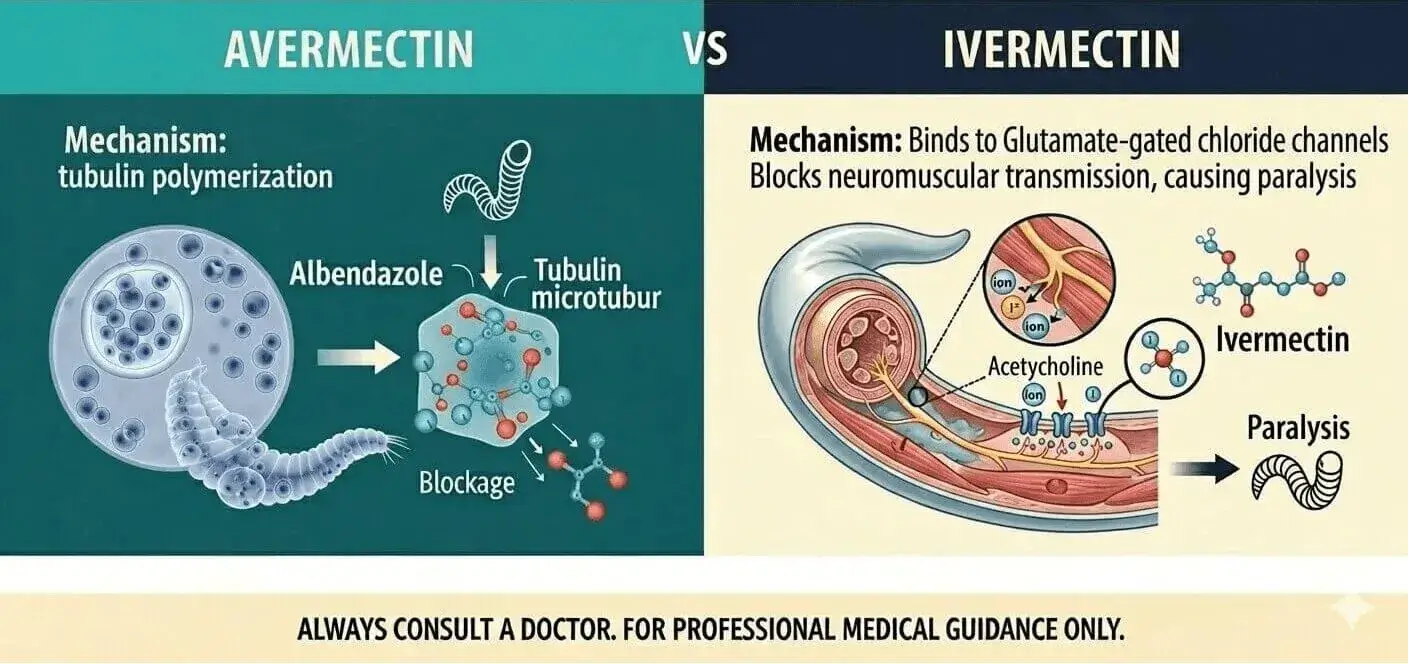
Avermectin vs. Ivermectin – When discussing antiparasitic medications, two names that often appear are avermectin vs. ivermectin. While they are closely related, they are not the same. Understanding their differences is important, especially in medicine, veterinary science, and agriculture. This blog explores what avermectin and ivermectin are, how they differ, and why both are significant.
What is Avermectin?
Avermectin is not a single drug but a class of compounds. It refers to a group of naturally occurring chemical substances derived from a soil bacterium called Streptomyces avermitilis. These compounds were discovered in the late 1970s and revolutionized the treatment of parasitic infections.
Avermectins are known for their broad-spectrum antiparasitic activity, meaning they can act against a wide range of parasites, including:
- Nematodes (roundworms)
- Arthropods (ticks, mites, lice)
There are several types of avermectins, such as A1a, A2a, B1a, and B2a. However, these natural compounds are not always used directly in medicine. Instead, scientists modify them chemically to improve their safety and effectiveness—this is where ivermectin comes in.
What is Ivermectin?
Ivermectin is a semi-synthetic derivative of avermectin, specifically derived from avermectin B1. It is one of the most widely used antiparasitic drugs in both humans and animals.
It has gained global recognition for its effectiveness in treating diseases such as:
- River blindness (onchocerciasis)
- Lymphatic filariasis
- Scabies
- Strongyloidiasis
In veterinary medicine, ivermectin is used extensively to control parasites in livestock and pets.
Recommended products
-
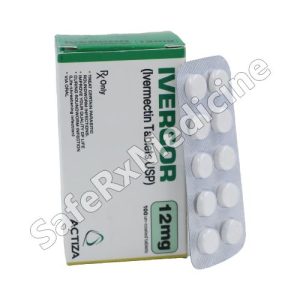
Ivercor 12 Mg (Ivermectine)
Just $0.73 /Piece -
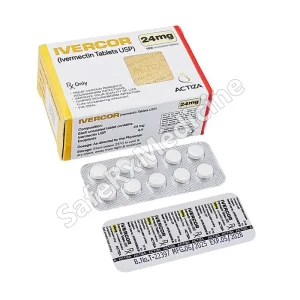
Ivercor 24 Mg (Ivermectine)
Just $0.82 /Piece -
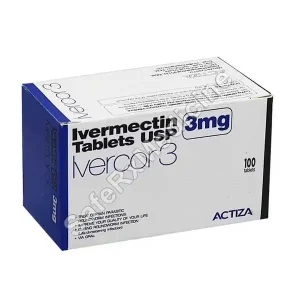
Ivercor 3 Mg (Ivermectine)
Just $0.53 /Piece -
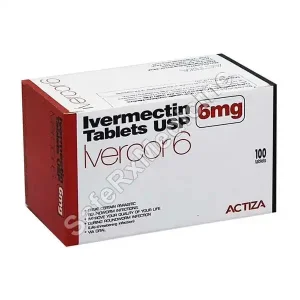
Ivercor 6 Mg (Ivermectine)
Just $0.58 /Piece
Key Differences Between Avermectin vs. Ivermectin
Although related, avermectin and ivermectin differ in several important ways:
1. Definition and Nature
- Avermectin: A group of naturally occurring compounds.
- Ivermectin: A chemically modified derivative of avermectin.
2. Usage
- Avermectin: Primarily used as a base compound in research and chemical development.
- Ivermectin: Widely used as a drug in human and veterinary medicine.
3. Safety Profile
- Avermectin: Not typically used directly in humans due to variability and potential toxicity.
- Ivermectin: Specifically engineered to be safer and more effective for therapeutic use.
4. Chemical Modification
- Avermectin: Naturally produced by bacteria.
- Ivermectin: Modified in laboratories to improve stability and reduce side effects.
How Do They Work?
Both avermectin and ivermectin share a similar mechanism of action. They target the nervous system of parasites.
They bind to glutamate-gated chloride channels found in invertebrate nerve and muscle cells. This leads to:
- Increased permeability to chloride ions
- Paralysis of the parasite
- Eventual death of the parasite
Importantly, these drugs have low toxicity in humans because such channels are either absent or less accessible in human cells.
Applications in Medicine
Human Medicine
Ivermectin has been a game-changer in global health. It has been used in mass drug administration programs to control parasitic diseases in developing countries. Its affordability and effectiveness have made it essential in public health campaigns.
While avermectin itself is not directly used in human medicine, it serves as the foundation for drugs like ivermectin.
Veterinary Medicine
Both avermectin derivatives and ivermectin are widely used in animals. They help control parasites in:
- Cattle
- Sheep
- Horses
- Dogs and cats
These drugs improve animal health and productivity, making them economically important in agriculture.
Role in Agriculture
Avermectins and their derivatives are also used as pesticides. They help protect crops by controlling insect pests and mites. Because they are derived from natural sources, they are sometimes considered more environmentally friendly than synthetic pesticides.
However, their use must still be carefully managed to prevent resistance and environmental harm.
Resistance Concerns
One growing concern with both avermectin-based compounds and ivermectin is parasite resistance. Overuse or improper use can lead to parasites evolving resistance, making treatments less effective.
This is especially a problem in livestock farming, where frequent use of antiparasitic drugs is common.
To combat resistance, experts recommend:
- Rotating drugs
- Using correct dosages
- Avoiding unnecessary treatments
Misconceptions and Controversies
In recent years, ivermectin has been the subject of widespread discussion and controversy, particularly during global health crises. While it is highly effective against parasites, its use for other conditions has often been debated and sometimes misunderstood.
It is crucial to rely on scientific evidence and medical guidance when using any medication. Misuse can lead to health risks and reduce the drug’s effectiveness in treating legitimate conditions.
Why the Distinction Matters
Understanding the difference between avermectin and ivermectin is not just academic—it has practical implications:
- Medical clarity: Helps avoid confusion in treatment and prescriptions
- Scientific accuracy: Important for research and drug development
- Public awareness: Reduces misinformation about medications
Simply put, avermectin is the parent compound, while ivermectin is a refined, clinically useful product derived from it.
Conclusion
Avermectin and ivermectin are closely related but serve different roles. Avermectin represents a group of naturally occurring compounds discovered in soil bacteria, while ivermectin is a modified version designed for safe and effective use in humans and animals.
The development of ivermectin from avermectin is a powerful example of how scientific innovation can transform a natural substance into a life-saving medicine. From treating parasitic diseases to supporting agriculture, these compounds have had a profound global impact.
However, with their widespread use comes responsibility. Proper usage, awareness of resistance, and adherence to medical guidance are essential to ensure these drugs remain effective for future generations.
Understanding these differences not only enhances knowledge but also promotes safer and more informed use of these important compounds.

Comments (0)
Leave A Comment